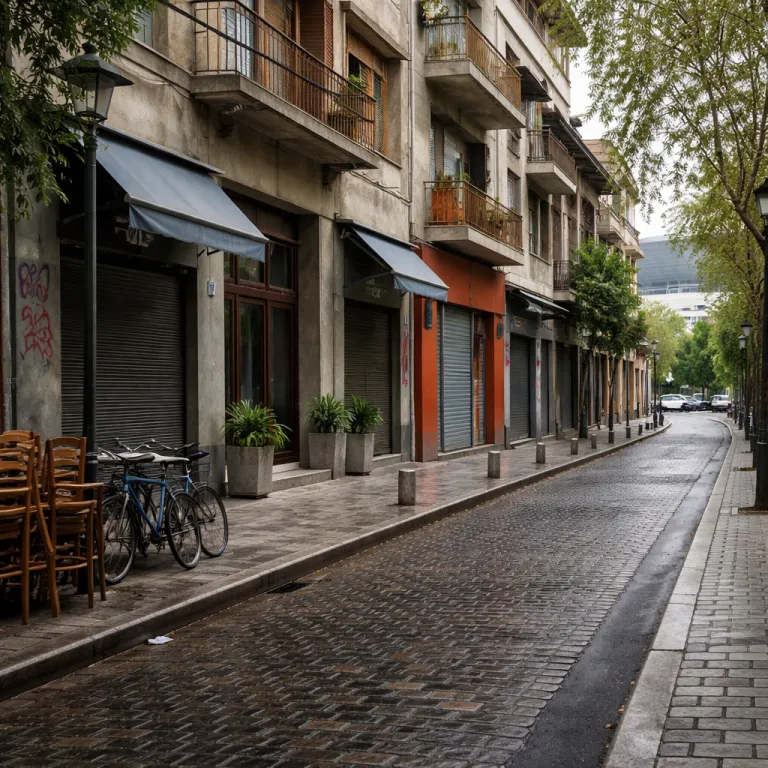
Athens neighbourhoods walking guide for luxury hotel hunters
Athens rewards walkers who move slowly and choose their base carefully. This Athens neighbourhoods walking guide is written for travellers who want a refined hotel, but also a district that feels genuinely local. Think of the city as a series of overlapping stages where ancient culture, modern city life and new hospitality concepts share the same street.
Start by deciding what you want from your day and your stay in Athens. Do you want a room with a direct Acropolis view, or a quieter neighbourhood where a local guide can lead you through back streets to a family-owned wine bar? Luxury here is not only about thread count; it is about how easily you can step from your lobby into Greek daily life, then return to a calm, well-run property.
The Athens neighbourhoods walking guide that follows focuses on areas where premium hotels and creative culture already coexist. Each neighbourhood and its neighbouring streets offers a different balance between ancient Athens, the energy of a modern city and the comfort level you expect from a high-end stay. Use these walks as a framework for your trip, then let your own curiosity and the advice of a trusted local guide shape the details.
Psyrri, Monastiraki and Theatrou Square: street energy and hotel rebirth
Begin this Athens neighbourhoods walking guide in the Monastiraki and Psyrri area, where the city feels loud, layered and intensely alive. Around Monastiraki Square you step from metro platforms straight into Athens’ oldest commercial quarter, with the famous flea market spilling across narrow streets and into covered arcades. The mix of ancient stones, neon signs and the distant outline of the Acropolis creates a view that defines urban Greece in a single glance.
Monastiraki–Psyrri is ideal if you want a luxury hotel that still feels plugged into local nightlife. You can spend hours wandering from leather workshops to street-art-filled alleys, then end the day with a glass of craft beer on a rooftop while your eyes trace the contours of ancient Athens. The market itself is compact enough to cross in under ten minutes, yet dense enough in stalls, cafés and side passages that you can happily explore it for an entire day.
Walk east towards Theatrou Square and you feel the mood shift from chaotic to quietly ambitious. Here, the Radisson RED Athens, housed in the historic Drakopoulos School building at 3 Theatrou Square, signals how a single hospitality investment can catalyse a neighbourhood revival and attract a new wave of premium properties. Other nearby upscale options, such as The Foundry Suites Athens on Sarri Street or the Perianth Hotel on Agias Eirinis Square, show how design-led accommodation is reshaping this part of the centre. For travellers planning a longer trip or even considering a refined pied-à-terre, pairing this walk with a specialist resource on how to rent a flat in Greece for a refined stay in Athens offers practical insight into leases, locations and long-term comfort.
Koukaki and the Acropolis fringe: cultured stays for serious walkers
From Monastiraki, follow this Athens neighbourhoods walking guide south along Athinas and then across to Koukaki, a neighbourhood that has quietly become one of the best bases for design-conscious travellers. The walk takes around 20 to 25 minutes on foot (roughly 1.8 km via Ermou and Makrygianni), or two short metro stops via Thissio and Acropoli. Here the Acropolis Museum and the Parthenon sit just beyond your morning coffee, yet the streets feel more local than touristic. Increased popularity of Koukaki among visitors has coincided with an Airbnb crackdown, with Greek Law 4472/2017 and later regulations limiting short-term rentals in certain buildings and durations, making the area more hotel-friendly and encouraging a new generation of premium properties.
Koukaki works beautifully for travellers who want a self-guided walking experience without ever joining a formal tour. You can trace the edge of ancient Athens along Dionysiou Areopagitou, then slip back into side streets where brunch cafés, natural wine lists and serious craft beer programs serve a mostly Greek crowd. For dinner, restaurants such as Gallina, known for its extensive wine list with hundreds of labels and frequent mentions in local food media, show how the neighbourhood has embraced a sophisticated food and wine culture while staying resolutely local.
Use this part of the Athens neighbourhoods walking guide to balance culture and comfort over a full day. Start with a guided visit to the Acropolis, then let a local guide lead you through Koukaki’s back streets, where street art, small galleries and low-key hotels sit side by side. Well-regarded properties such as Herodion Hotel on Rovertou Galli, Coco-Mat Athens BC on Falirou Street or Acropolis Museum Boutique Hotel on Syngrou Avenue place you within a few minutes’ walk of both the Parthenon and neighbourhood cafés. If you prefer to stay slightly further from the crowds yet remain within easy walking distance of Syntagma Square and the historic centre, consider the elegant properties highlighted in this dedicated overview of Kolonaki hotels for refined stays in the heart of Athens.
Pangrati and Exarcheia: local Athens, counterculture and crafted comfort
Shift east with this Athens neighbourhoods walking guide and you reach Pangrati, a residential district that feels like the city’s living room. Here, narrow streets open onto small plateias where neighbours linger for hours over coffee, and the hotel scene is more discreet but increasingly polished. For luxury travellers, Pangrati offers the best version of local Athens, with refined guesthouses and design-forward hotels tucked between bakeries, wine bars and contemporary bistros.
One anchor of Pangrati’s food scene is Ex Machina, a restaurant known for its thoughtful, low-waste approach to Greek-inspired fusion cuisine and positive coverage in Athenian dining guides. Staying nearby means you can turn dinner into a gentle walking tour, moving from aperitivo bars to dessert cafés without ever needing a taxi. This is where practical culture meets comfort; you experience the rhythms of a real neighbourhood while still returning to high thread-count sheets and attentive service at the end of the day.
Continue north and the mood changes again as you enter Exarcheia, long regarded as the countercultural heart of Athens. Exarcheia’s reputation for activism and street art is well earned, yet in recent years a handful of small, well-run hotels and guesthouses have begun to offer a softer landing for travellers who want the modern city without the polish of more central neighbourhoods. Properties such as the Radisson Blu Park Hotel on Alexandras Avenue or smaller boutique stays around Strefi Hill give you easy access to both murals and museums. Is Athens safe for walking tours? Yes, but stay cautious in crowded areas, keep valuables close and follow local advice about demonstrations or late-night gatherings.
Kolonaki, Syntagma and the Riviera link: refined loops and day trips
No Athens neighbourhoods walking guide for luxury travellers is complete without Kolonaki and Syntagma Square. Kolonaki is the city’s most established upscale neighbourhood, with embassies, galleries and polished cafés lining its steep streets. Staying here places you within a short walk of Syntagma Square, the Parliament and the main metro hub, which makes both guided walking explorations and spontaneous day-trip plans remarkably easy.
From a Kolonaki base you can design half-day loops that combine shopping, culture and hotel downtime. One route takes you down to Syntagma Square, across the National Garden and back up via the museums and concept stores that have turned this area into a showcase for contemporary Greek design. Another loop leads towards the historic centre, where you can join a small-group walking tour focused on ancient Athens, then return uphill by taxi in time for sunset drinks with a city-wide view.
Luxury travellers who want to split their trip between the urban core and the sea should pay attention to how metro lines and tram connections link Syntagma to the coast. From Syntagma Station, Line 2 connects you to Neos Kosmos, where you can transfer to the coastal tram towards Voula; the full journey to the Athens Riviera takes around 45 to 60 minutes door to door. A refined coastal stay along the Athens Riviera pairs beautifully with a few nights in the centre, and this dedicated guide to Athens Riviera hotels for a refined coastal stay by the sea outlines the best options. Are guided tours available? Yes, many local guides offer private and small-group tours that can be booked through your hotel concierge.
How to connect the walks: routes, practical tips and hotel strategy
The final part of this Athens neighbourhoods walking guide focuses on logistics, because elegant trips are built on clear, simple movement. Athens is a compact city, and most of the neighbourhoods mentioned here sit within a radius of roughly 3 to 4 km, which makes walking both realistic and rewarding. Methods such as walking and public transport work best together; you can cover longer stretches by metro, then slow down on foot where the streets become more interesting.
For a full-day route, start in Monastiraki–Psyrri, continue to Koukaki for lunch, then cross towards Pangrati and end in Kolonaki for dinner. This loop gives you ancient Athens in the morning, a modern city food scene at midday and refined hotel bars by night, all without rushing. As a sample schedule, allow 60 to 90 minutes in Monastiraki, then walk or take the metro to Koukaki for a two-hour museum and lunch stop, continue on foot via the Panathenaic Stadium to Pangrati for coffee, and finish with a 25-minute, 1.9 km walk up to Kolonaki for shopping and dinner. What is the best time to visit? Spring and autumn offer pleasant weather, lighter crowds and comfortable temperatures for several hours of walking.
When planning your stay, look for hotels that understand both culture and comfort, not just proximity to the Acropolis. The most rewarding properties act almost like a local guide, offering practical tips on everything from the nearest flea market to the quietest Athens street for an evening stroll. Wear comfortable shoes, stay hydrated, carry a simple offline map and be aware of pickpockets, and your walking tour of Athens will feel less like a checklist and more like a series of conversations with a city that is still writing its own story.
FAQ about walking and staying in Athens’ neighbourhoods
Is Athens safe for self guided walking in these neighbourhoods?
Athens is generally safe for self-guided walking, especially in central neighbourhoods such as Monastiraki, Koukaki, Pangrati and Kolonaki. Normal city awareness is essential, particularly around busy areas and on crowded public transport. Keep valuables secure, avoid poorly lit streets late at night and use licensed taxis or ride-hailing apps when you feel tired.
How many hours daily should I plan for each neighbourhood walk?
Plan at least three to four hours daily for each main neighbourhood if you want to combine walking, café stops and a museum or gallery visit. Compact areas such as Psyrri or Theatrou Square can be crossed in minutes, but exploring side streets and local food spots takes longer. For a relaxed pace, limit yourself to two neighbourhoods per day and allow time to return to your hotel to rest.
Do I need a local guide or can I follow a map?
You can comfortably follow a map or mobile app for most routes, as the central grid is straightforward and metro stations act as clear anchors. A local guide becomes valuable when you want deeper context on street art, political history in Exarcheia or lesser-known corners of ancient Athens. Many premium hotels can arrange private guided walking experiences tailored to your interests and fitness level.
Which neighbourhood is best for a first luxury stay in Athens?
For a first visit focused on culture and comfort, Koukaki and Kolonaki are often the best choices. Koukaki places you close to the Acropolis and the museum, while still feeling local and walkable, and Kolonaki offers refined hotels, shopping and easy access to Syntagma Square. Travellers who prefer a more energetic street scene might choose a high-quality property near Monastiraki–Psyrri instead.
Can I combine these neighbourhood walks with a day trip outside Athens?
Yes, the central location of Syntagma Square and the main metro lines makes it easy to add a day trip to coastal areas or nearby archaeological sites. Many travellers spend one or two days exploring the city on foot, then dedicate another day to destinations such as the Athens Riviera or major temples outside the urban core. Returning to a well-located luxury hotel in the evening ensures the practical side of your trip remains smooth and relaxing.