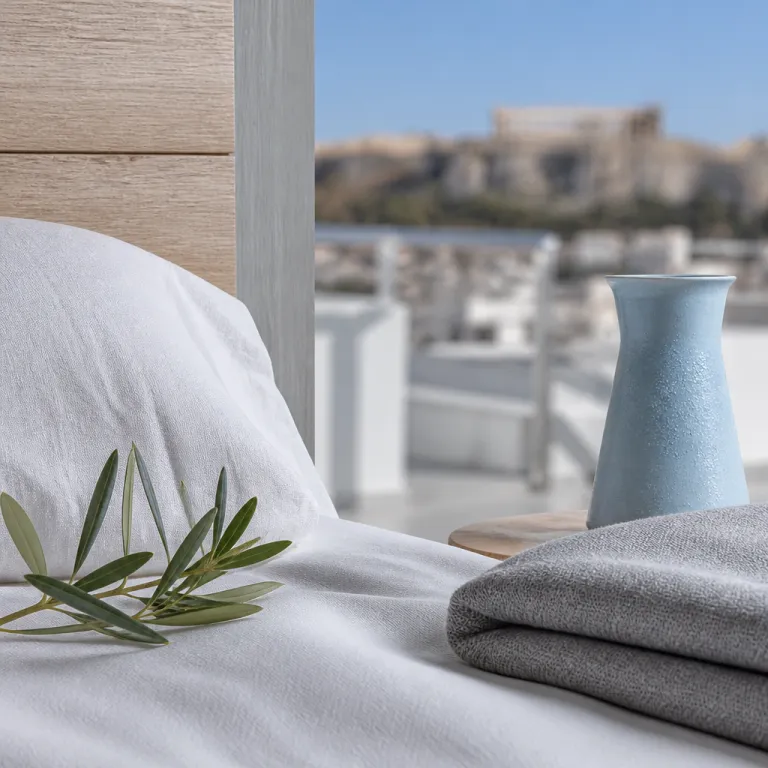
Section 1 – How to choose where to stay in Athens for a luxury city break
Choosing where to stay in Athens shapes every moment of your urban escape. When you select a luxury hotel in the historic center, you gain effortless access to the Acropolis, Plaka, Monastiraki, and the main cultural arteries of the city. This central location reduces transfer time in Athens and lets you walk between neighborhoods, cafés, and restaurants instead of relying on constant taxis.
For premium travelers, the first question is not only where to stay in Athens, but how you want to feel during your stay. Some guests prefer a five star hotel with a grand lobby and panoramic Acropolis views, while others look for a discreet property on quieter streets with a more local atmosphere. Both types of hotel can offer high hotel star ratings, yet the experience of the city around them differs significantly.
Start your trip planning by mapping the areas you will visit most often. If your itinerary focuses on the Acropolis, the Acropolis Museum, and the historic center, then a hotel within a ten minute walk of these landmarks will save you time and energy. If you plan day trips to the Greek islands from Piraeus, consider how quickly you can reach the port from the city center early in the morning.
Online travel guide platforms and interactive maps help you compare each neighborhood in Athens. Combine these tools with hotel booking websites that highlight walking distance to key sites, so you can see exactly where each star hotel sits in relation to the Acropolis and Plaka. This method turns a long list of recommended hotels into a short, curated selection that truly fits your style of stay.
Transport tip: For most central areas, the closest metro hubs are Syntagma (Lines 2 and 3), Monastiraki (Lines 1 and 3), and Acropoli (Line 2). A taxi from Syntagma to Piraeus Port typically takes 25–35 minutes outside rush hour, while the metro from Monastiraki to Piraeus (Line 1) takes about 25 minutes.
Section 2 – Plaka, Monastiraki, and the historic center for first time visitors
For many travelers asking where to stay in Athens, Plaka and the historic center are the natural starting points. This area sits directly under the Acropolis, with neoclassical buildings, narrow streets, and cafés that spill onto small squares. It is the part of the city where you can step out of your hotel and feel surrounded by Greek history within a single minute walk.
Plaka is ideal for first-time visitors due to its historic charm and proximity to major attractions. A well located Plaka hotel places you within walking distance of the Acropolis, the Roman Agora, and Monastiraki’s lively markets, so you can move between sites without worrying about transport. Many premium properties here offer Acropolis views from rooftop terraces, turning breakfast or sunset drinks into a memorable photo opportunity.
Monastiraki, just below Plaka, adds a more urban edge to your stay in Athens. The neighborhood is known for its flea market, street vendors, and a dense mix of restaurants and cafés that stay open late into the night. If you choose a hotel in this part of the city center, you gain quick access to both the historic center and the metro network, which is useful when your trip planning includes the Athens Half Marathon or other major events, as highlighted in this dedicated guide to luxury hotels near the classic city race.
In these central areas, look for a four or five star hotel that balances character with comfort. Some properties occupy restored neoclassical buildings, while others are contemporary towers with floor to ceiling windows and wide Acropolis views. Either way, the combination of a central location, short walking distance to landmarks, and a dense network of local restaurants makes Plaka and the historic center a strong answer to the question of where to stay in Athens for a first visit.
Concrete examples in this part of the city include the Electra Palace Athens in Plaka (Acropolis view rooms mainly on higher floors and a rooftop pool-restaurant, around 10 minutes on foot to the Acropolis Museum), the AthensWas Design Hotel on Dionysiou Areopagitou (Acropolis-facing suites and a rooftop restaurant, about 5 minutes’ walk to the Acropolis Museum and 10 minutes to the Parthenon entrance), and the Athens Gate Hotel near the Temple of Olympian Zeus (select upper-category rooms and the rooftop restaurant overlook the monument, roughly 7 minutes to the Acropolis Museum and 12 minutes to Plaka’s central lanes). In Monastiraki, properties such as A for Athens (rooftop bar with direct Parthenon views, about 12 minutes’ walk to the Acropolis) and 360 Degrees Hotel (rooftop terrace facing the Ancient Agora, around 10–12 minutes to the Ancient Agora) combine rooftop bars with direct views of the Parthenon.
Section 3 – Kolonaki and Koukaki for design lovers and urban explorers
Travelers who already know where to stay in Athens for classic sightseeing often look next to Kolonaki and Koukaki. Kolonaki rises on the slopes of Mount Lycabettus, offering an elegant neighborhood with luxury boutiques, art galleries, and refined cafés. Koukaki, on the other hand, lies just south of the Acropolis, a residential area that has become popular with design conscious visitors who want a more local rhythm.
Kolonaki is renowned for its upscale boutiques and luxury shopping options. Here, a five star hotel or intimate design property often features marble lobbies, curated art, and polished service that appeals to frequent travelers who value discretion. The streets are lined with high end restaurants and wine focused cafés, making this neighborhood ideal for guests who want to spend time in Athens enjoying long dinners and people watching rather than ticking off monuments.
Koukaki offers a different answer to where to stay in Athens, especially for those who want to feel part of a local community. The area sits within a short walking distance of the Acropolis Museum and the pedestrian promenade that circles the hill, yet its back streets remain residential and calm. Many recommended hotels here emphasize natural materials, with brands such as Coco Mat known for high quality mattresses and a focus on sleep comfort, which can be a decisive factor after long days of urban exploration.
Both Kolonaki and Koukaki work well for travelers who see the city itself as the main attraction. You can start the day with coffee in a quiet square, spend time in Athens visiting galleries or climbing Philopappos Hill for wide Acropolis views, then return to a hotel that feels like a stylish retreat. For more ideas on how to structure this kind of stay, consult an elegant guide to the top things to do in Athens for luxury urban explorers, which pairs specific experiences with nearby neighborhoods and hotels.
In Kolonaki, examples include the St George Lycabettus Lifestyle Hotel (rooftop pool and restaurant with sweeping Acropolis panoramas, about 15 minutes’ walk down to Syntagma Square and 25–30 minutes to the Acropolis Museum) and the Coco-Mat Hotel Athens on Patriarchou Ioakim (rooms focused on sleep quality, roughly 18–20 minutes on foot to Syntagma). In Koukaki, the Herodion Hotel (rooftop restaurant with direct Parthenon views, around 4 minutes’ walk to the Acropolis Museum and 10 minutes to the Acropolis entrance), the Coco-Mat Athens BC (rooftop pool and bar facing the monument, about 5 minutes to the museum), and the Acropolis Museum Boutique Hotel (select upper-floor rooms with partial views, approximately 7–8 minutes to the Parthenon entrance) are frequently cited by design oriented travelers.
Section 4 – Psiri and Monastiraki for nightlife, food, and creative energy
Some visitors asking where to stay in Athens are primarily interested in food, nightlife, and creative culture. For them, Psiri and the fringes of Monastiraki offer a compelling mix of energy, street art, and late night cafés and bars. Psiri is known for its vibrant nightlife with numerous bars and clubs, which makes it a strong choice if you want to stay in a neighborhood that stays awake as long as you do.
In this part of the city center, you will find a wide range of hotel options, from simple rooms above cafés to polished four star hotel properties with soundproofed suites. Luxury and premium travelers usually gravitate toward the higher hotel star categories, which provide better insulation from street noise and more generous public spaces. When reading any travel guide or hotel listing, pay attention to whether the property faces a busy square or a quieter side street, as this can significantly affect your sleep quality.
Psiri and Monastiraki are also excellent bases for culinary exploration. Within a five to ten minute walk, you can move between traditional Greek tavernas, modern restaurants with tasting menus, and casual cafés serving specialty coffee and local pastries. This density of dining options means you can spend more time in Athens enjoying meals and less time commuting across the city, which is particularly valuable on shorter stays.
For guests who want both nightlife and culture, the proximity of these neighborhoods to the historic center is a major advantage. You can wake up late, walk to the Acropolis or the Ancient Agora in under twenty minutes, then return to your hotel for a rest before heading out again. This pattern of movement, where you stay close to both monuments and modern life, is one of the reasons many repeat visitors choose Psiri or Monastiraki when deciding where to stay in Athens.
In Psiri, hotels such as the Athens Center Square Hotel (about 12–15 minutes’ walk to the Acropolis and 5 minutes to Monastiraki Square) and the Fresh Hotel near Omonia (rooftop pool and bar, roughly 15–18 minutes to the Ancient Agora) appeal to guests who want easy access to bars and restaurants. Around Monastiraki, the Perianth Hotel (rooms facing Agias Irinis Square and a rooftop terrace, about 15 minutes’ walk to the Acropolis) and the Emporikon Athens Hotel on Agias Irinis Square (central rooms can be lively until late, around 14–16 minutes to the Parthenon entrance) offer a blend of creative design and central positioning.
Section 5 – Hidden gems, Acropolis views, and meaningful photo moments
Luxury travelers often ask not only where to stay in Athens, but where to find hidden gems that feel personal and memorable. In practice, these hidden gems are less about secret addresses and more about how you use the city around your hotel. A central location near the Acropolis, Philopappos Hill, or the quieter edges of Plaka gives you access to streets where the crowds thin out and the light becomes softer.
Philopappos Hill is one of the most rewarding places in Athens for panoramic Acropolis views. From the top, you see the Parthenon framed by the wider city, with the sea and distant mountains beyond, which makes it ideal for thoughtful photo sessions at sunrise or sunset. Choosing a hotel within a twenty to thirty minute walk of this hill allows you to visit at flexible times, avoiding the busiest hours and creating a more intimate experience of the city.
Many premium hotels in the historic center now highlight their Acropolis views as a key feature. Rooftop terraces with pools or restaurants become natural gathering points, where guests can enjoy Greek wines and seasonal dishes while watching the monument change color with the evening light. When comparing recommended hotels, look beyond the phrase “Acropolis views” and check whether those views are from public areas, specific room categories, or only a small section of the property.
For photography focused travelers, the question of where to stay in Athens is closely tied to walking distance. Being able to step out of your hotel at blue hour and reach Plaka’s side streets, Monastiraki’s rooftops, or the paths around the Acropolis within a short time frame is invaluable. This is where a detailed travel guide and high quality maps can help you match your preferred photo locations with the most suitable hotel areas.
Section 6 – Sustainability, overtourism, and choosing a hotel with a conscience
As Athens welcomes more visitors each season, the question of where to stay in Athens has an ethical dimension as well as a practical one. The rise of short term rentals and the increased popularity of small design properties have changed the balance of housing in several central neighborhoods. Travelers who care about the long term health of the city can make a difference through thoughtful trip planning and hotel choices.
Before you book, consider how your stay will affect the local community. Properties that employ local staff, source food from Greek producers, and participate in neighborhood initiatives help keep economic benefits within the city. Some hotels in areas such as Kolonaki, Koukaki, and the historic center also invest in energy efficient systems and waste reduction, which reduces their environmental footprint while maintaining high comfort levels.
Reading about the overtourism paradox in Athens can help you understand the pressures on the historic center and nearby neighborhoods. A detailed analysis of how the city can protect its character while welcoming millions of visitors is available in this in depth article on the overtourism paradox and the soul of Athens. When you combine this perspective with your own priorities, you can choose a hotel that aligns with both your comfort expectations and your values.
Finally, remember that where you stay in Athens also shapes how you move. A hotel in the city center that allows you to walk to most sites reduces your reliance on cars and taxis, which lowers emissions and keeps more of your time in the open air. By selecting a well located star hotel, supporting local restaurants and cafés, and respecting the rhythm of each neighborhood, you contribute to a more balanced relationship between visitors and the city they have come to enjoy.
Key figures for choosing where to stay in Athens
- The municipality of Athens officially recognizes several central neighborhoods, with at least seven major areas commonly used by travelers when comparing where to stay in Athens (source: Municipality of Athens, Neighborhood Planning Overview, 2023, summary data available via the official city planning portal).
- The average hotel price per night in Plaka is around 120 EUR, which positions this historic center neighborhood in the mid to upper range of Athens accommodation costs (source: Athens-Attica & Argosaronic Hotel Association, Annual Market Report 2023, section on central Athens pricing).
- The distance from Koukaki to the Acropolis is approximately 0.5 km, meaning many hotels in this neighborhood are within a ten minute walk of the monument (source: Google Maps, route "Koukaki" to "Acropolis of Athens", accessed 2024).
- Central areas such as Plaka, Monastiraki, Kolonaki, Koukaki, and Psiri concentrate a high share of four and five star hotel rooms in Athens, giving premium travelers a wide choice of locations within the city center (compiled from Athens-Attica & Argosaronic Hotel Association and City of Athens Convention & Visitors Bureau statistics, 2022–2023, as summarized in their published market overviews).
FAQ – where to stay in Athens for a luxury and premium experience
Which neighborhood is best for first time visitors ?
Plaka is ideal for first-time visitors due to its historic charm and proximity to major attractions. From a well located Plaka hotel, you can reach the Acropolis, the Acropolis Museum, and Monastiraki within a short walking distance. This combination of atmosphere and convenience makes Plaka a strong first answer when deciding where to stay in Athens.
Where can I find vibrant nightlife in Athens ?
Psiri is known for its vibrant nightlife with numerous bars and clubs. The neighborhood sits close to Monastiraki and the wider historic center, so you can combine late evenings with easy access to daytime sightseeing. Travelers who prioritize restaurants, cafés, and live music often choose to stay in or near Psiri.
Which area offers luxury shopping experiences ?
Kolonaki is renowned for its upscale boutiques and luxury shopping options. The neighborhood’s streets are lined with designer stores, galleries, and refined cafés, which appeals to guests who see shopping as a central part of their time in Athens. Many premium hotels in Kolonaki also offer quick access to the city center and cultural sites.
Is it better to stay near the Acropolis or in Kolonaki ?
Staying near the Acropolis, in areas such as Plaka or Koukaki, is better if you want very short walking distances to major archaeological sites. Kolonaki is better if you prefer a quieter, more residential atmosphere with strong shopping and dining options. Both choices work well for luxury travelers, so the decision depends on whether culture or lifestyle is your main priority.
How far in advance should I book a hotel in central Athens ?
For peak travel periods and major events, it is wise to book a hotel in the historic center, Kolonaki, or Koukaki several months in advance. These areas concentrate many of the most sought after four and five star hotel options, and the best located rooms with Acropolis views often sell out first. Early booking also gives you more flexibility to choose the exact neighborhood and style of stay that suits your trip planning.