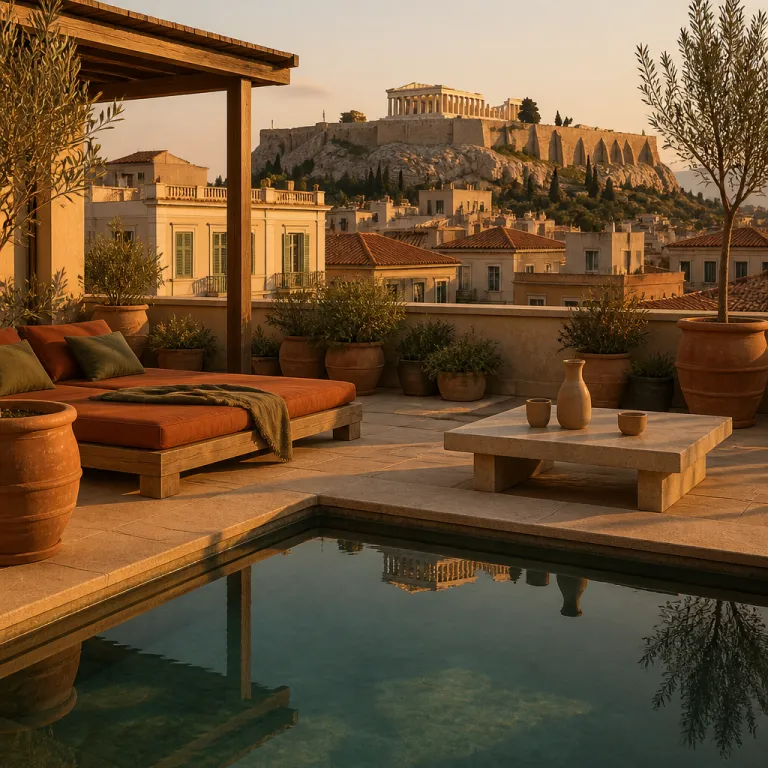
Acropolis, Parthenon and the timeless skyline of Athens
The heart of any refined journey through Athens begins on the Acropolis, where marble columns frame the city in every direction. From this ancient citadel, the Parthenon temple dominates the skyline and connects the modern city of Athens with the sacred plateau that defined classical civilization. Plan your time in Athens carefully, because early morning or late afternoon light reveals the most photogenic angles of the site and offers quieter moments for reflection.
For luxury travelers, a private tour of the Acropolis and its surrounding monuments turns a checklist of sights into a curated narrative about Greek culture and power. A knowledgeable guide can explain how each temple, from the Parthenon to the smaller shrines, reflects century after century of political ambition and religious devotion in the city. When you explore Athens with a premium itinerary, pairing the Acropolis with a tailored food walk in the nearby streets allows you to taste contemporary Greek cuisine while contemplating the flavours that have evolved since ancient times.
Access to the Acropolis is now carefully managed, and annual visitors to the hilltop sanctuary reach about 1 500 000 people according to the Greek Ministry of Culture. To secure a timed slot that fits a relaxed day in Athens, consult a specialist resource on how to book Acropolis tickets with capped daily entries. Standard opening hours generally run from 8:00 to 20:00 in high season, with last entry around 30 minutes before closing, and basic adult tickets typically cost in the range of €15–€20 depending on the period and combined passes. From many luxury hotel Athens properties in the city center, a short transfer of around 10–15 minutes by taxi brings you to the base of the hill, where a gentle climb rewards you with sweeping views that stretch from Lycabettus Hill to the distant sea.
Plaka, ancient agora and refined urban wandering in the old city
Once you descend from the Acropolis, the Plaka neighborhood invites you into a maze of street life that feels both ancient and effortlessly chic. Here, neoclassical mansions, small churches and shaded cafés line every narrow street, creating a natural bridge between Greek history and contemporary city Athens culture. For travelers choosing a luxury hotel in Athens, staying near Plaka shortens transfer time and turns every stroll into an elegant urban exploration.
The ancient Agora of Athens lies just below the Acropolis, where philosophers once debated the best things in life and merchants traded goods from across the Mediterranean. Walking through the ancient agora ruins today, you can still trace the outlines of stoas, temples and civic buildings that shaped ancient Athens as a democratic city. A curated tour of both the ancient agora and the nearby Roman Agora allows you to compare Greek and Roman urban planning, while your guide explains how each century left a distinct layer in the archaeological record.
Luxury travelers often combine this historical immersion with a slow afternoon in Plaka, where a discreet food tour introduces you to refined Greek food and regional wines. Between tastings, you can browse artisan shops, then retreat to your hotel Athens suite for a brief rest before an evening walk through softly lit streets. One evening, for instance, you might pause at a small café on Adrianou Street, listening to live bouzouki music while the Acropolis glows above the rooftops. For help choosing the right address, consult an elegant resource such as an Athens neighborhoods map for luxury stays in the city center, which highlights the most convenient places to visit on foot and indicates approximate walking times between Plaka, the ancient Agora and nearby metro stations such as Monastiraki.
Acropolis Museum, Benaki and the art of curated Greek history
Among the top 10 things to do in Athens for culture lovers, the Acropolis Museum stands at the very top. Its glass floors, clean lines and carefully lit galleries present sculptures and friezes from the Acropolis in a way that respects both ancient craftsmanship and modern museology. When you visit this museum, you gain a deeper understanding of how each temple once looked, and how the city of Athens has preserved its heritage over time.
Pairing the Acropolis Museum with the Benaki Museum or the National Archaeological Museum creates a full day in Athens dedicated to Greek culture and artistic evolution. The National Archaeological Museum alone houses around 11 000 artifacts, according to museum records, offering a chronological journey from prehistoric figurines to Roman statues. A private tour can focus on specific themes, such as ancient religion, daily life in ancient Athens or the transition from classical Greek art to Roman influences in the city.
Luxury guests often appreciate museum cafés and terraces, where refined menus reinterpret Greek food with seasonal ingredients and thoughtful wine pairings. The rooftop café of the Acropolis Museum, for example, serves modern Mediterranean dishes with a direct view of the Parthenon. For those considering the best time to visit Athens for quieter galleries and softer light, remember that spring and autumn offer pleasant weather. Typical museum opening hours range from mid-morning to early evening, with extended hours on certain days, and standard adult tickets usually cost between €10 and €15, with reduced rates for children and seniors. If you are tempted by a winter escape, consult a specialist perspective on why Athens in December suits luxury urban explorers, then coordinate museum visits with your hotel concierge for seamless transfers.
Syntagma Square, National Garden and the green heart of the city
Not every highlight in the list of top 10 things to do in Athens involves marble and ruins. Syntagma Square, framed by the Hellenic Parliament and grand hotels, offers a formal urban stage where ceremonial guards and passing trams animate the city. From here, a short walk leads you into the National Garden, a tranquil refuge that softens the intensity of stone and traffic.
For luxury travelers, Syntagma Square is often the first place to visit after check in, because many premium hotel Athens addresses cluster around its perimeter. Watching the changing of the guard before strolling into the National Garden creates a graceful rhythm for your first day in Athens, balancing ceremony with calm. Inside the garden, shaded paths, small ponds and discreet benches invite you to slow your pace and reflect on the layers of history that surround the modern city.
Families and couples alike appreciate how the National Garden offers a different side of Greek culture, where residents jog, read and meet friends away from the archaeological crowds. A private guide can weave stories about royal residences, political events and urban planning, turning a simple walk into one of the best things to do in Athens for context and relaxation. When you emerge near the Zappeion and the Temple of Olympian Zeus, you are perfectly placed to continue your tour of ancient and Roman monuments without ever feeling rushed. Practical details help: the metro station Syntagma sits directly beneath the square, most paths in the National Garden are flat and shaded, and a leisurely circuit from Syntagma through the park to the temple and back usually takes around 60–90 minutes on foot.
Temple of Olympian Zeus, Panathenaic Stadium and Lycabettus Hill views
The Temple of Olympian Zeus, often called the temple of Zeus, once ranked among the largest temples in the ancient world. Today, its towering columns rise above the city Athens traffic, offering a powerful reminder of how Greek and Roman rulers used architecture to project authority. Visiting this temple alongside the nearby Roman Agora helps you understand how each empire left its mark on Athens over time.
A short walk from the temple brings you to the Panathenaic Stadium, a horseshoe of white marble that hosted the first modern Olympic Games. Standing on its track, you can imagine athletes from every century racing under the same sky that now shelters a vibrant European capital. Many private tours combine the stadium, the temple of Zeus and the surrounding avenues into a half day Athens itinerary, ideal for travelers who want structured experiences without sacrificing leisure.
As the afternoon light softens, a transfer or funicular ride up Lycabettus Hill rewards you with one of the best things Athens can offer: a panoramic view that stretches from the Acropolis to the Saronic Gulf. From this vantage point, the contrast between ancient Athens monuments and contemporary towers becomes strikingly clear. Many luxury hotels arrange sunset tables at hilltop restaurants, such as Orizontes Lycabettus, where refined Greek food and local wines accompany a view that justifies every minute spent planning your visit Athens journey. The Lycabettus funicular typically runs every 30 minutes from early morning until late evening, and a round-trip ticket usually costs under €10, making it a convenient option for guests who prefer to avoid the steep walk.
Monastiraki, street art, flea markets and contemporary Greek culture
For travelers who value urban exploration as much as classical ruins, Monastiraki and its surroundings reveal another side of the top 10 things to do in Athens. The Monastiraki flea market, with its antiques, vinyl records and vintage textiles, offers a lively contrast to the quiet order of museums. Browsing its stalls becomes one of the essential things Athens provides for collectors and curious visitors alike.
Just beyond the flea market, former industrial districts now showcase bold street art that reflects social commentary, humor and the restless energy of the city. Guided street art tours introduce you to local and international artists, while explaining how each mural interacts with Greek history and current debates in the city Athens community. This is where ancient stones, Roman ruins and contemporary creativity coexist, making it a compelling place to visit for anyone who wants to feel the city’s pulse.
Evenings in this area are ideal for a sophisticated food tour that pairs modern Greek cuisine with craft cocktails and natural wines. Between tastings, your guide may point out distant views of the Acropolis, reminding you how every part of Athens remains anchored to its ancient core. By the time you return to your hotel in Athens, you will have experienced not only the best things to do in Athens, but also the subtle ways in which time, culture and daily life weave together in this remarkable city. For orientation, Monastiraki Square sits at the junction of Ermou and Athinas streets, directly above a metro interchange, and most luxury hotel Athens bases in Syntagma or Plaka are only a 10–20 minute walk or a brief metro ride away.
Key figures for planning a refined stay in Athens
- Annual visitors to the Acropolis reach about 1 500 000 people, according to the Greek Ministry of Culture, which means timed tickets and early arrivals are essential for a calm experience.
- The National Archaeological Museum presents around 11 000 artifacts, based on museum records, so a focused private tour of selected galleries often delivers better results than attempting to see everything in one visit.
- Guided tours are widely available for major sites such as the Acropolis, the ancient Agora and the Acropolis Museum, allowing luxury travelers to secure expert commentary without extensive research.
- Most key attractions, including Syntagma Square, the National Garden, Plaka and Monastiraki, are accessible via public transport, which supports eco friendly tourism and reduces transfer time from central hotels.
- Spring and autumn offer pleasant weather for walking tours, making these seasons particularly suitable for combining outdoor sites like Lycabettus Hill with indoor museums and fine dining.
FAQ about luxury stays and the top 10 things to do in Athens
What is the best time to visit Athens for luxury travelers ?
Spring and autumn offer pleasant weather, which suits travelers who prefer walking tours, open air dining and rooftop views without extreme heat. During these seasons, hotel Athens properties often provide attractive packages that combine suites with curated tours. Early winter can also be appealing for guests who value quieter streets and more availability at top restaurants.
Are guided tours available for the main historical sites ?
Yes, guided tours are widely available for the Acropolis, the ancient Agora, the Roman Agora and major museums such as the Acropolis Museum and the National Archaeological Museum. Luxury visitors can arrange private tours through their hotel concierge, ensuring tailored commentary and flexible timing. Many operators now use digital tools and audio guides, and some even integrate augmented reality to reconstruct ancient Athens on your screen.
Is public transportation convenient for reaching key attractions ?
Most major sites in Athens, including Syntagma Square, Plaka, Monastiraki, the National Garden and the Temple of Olympian Zeus, are accessible via metro, tram or bus. Luxury travelers often combine public transport with private transfers, using drivers for evening returns to their hotel in Athens. This hybrid approach balances comfort, efficiency and a more authentic sense of the city.
How much walking should I expect when exploring the top 10 things to do in Athens ?
Urban exploration in Athens involves a significant amount of walking, especially around the Acropolis, Plaka, the ancient Agora and Monastiraki. Wear comfortable shoes, stay hydrated and plan short breaks at cafés or your hotel Athens base between tours. Many itineraries can be designed so that each day in Athens focuses on one compact area, reducing unnecessary transfers.
Can luxury hotels help organize food tours and cultural experiences ?
High end hotels in Athens routinely collaborate with local tour operators, museums and cultural organizations to design bespoke experiences. Your concierge can arrange a private food tour, a street art walk, a museum evening or a sunset visit to Lycabettus Hill that aligns with your schedule. This level of coordination ensures that the best things to do in Athens fit seamlessly into your overall stay.
Trusted references for further planning
- Greek Ministry of Culture
- National Archaeological Museum of Athens
- City of Athens official tourism information