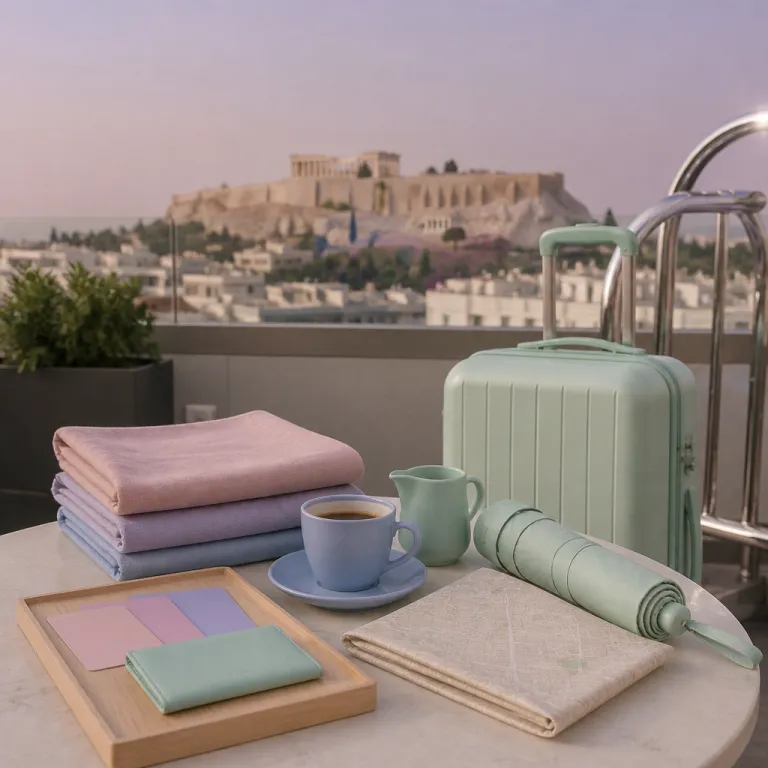
Why athens september travel shoulder season suits luxury‑minded families
In Athens, September quietly becomes the best time for families who value comfort, culture, and calm. Average highs hover around 28 °C with mild evenings near 20 °C, according to long‑term climate normals from the Hellenic National Meteorological Service (HNMS, 1991–2020), which feels dramatically softer than the mid to high 30s that define peak summer in July and August. For parents weighing when to visit Athens Greece, this early autumn shoulder period often turns a good trip into an exceptional one.
By early September, European school holidays are ending and the crowds at major sightseeing landmarks begin to thin. You still enjoy the full Greek summer atmosphere in the capital, yet you move through the Acropolis and the Acropolis Museum with fewer people and shorter queues, which makes every visit with children less exhausting. Annual visitor statistics from the Greek National Tourism Organisation (GNTO, “Tourism in Figures 2023”) echo this pattern, noting a gradual easing of arrivals after the August peak while maintaining strong late‑summer demand.
Sea temperatures around 24–25 °C in the Saronic Gulf, based on averages published by the Hellenic Centre for Marine Research (HCMR, “Mediterranean Sea Temperature Climatology,” 2022), mean that family days at the Athens Riviera or nearby islands still feel like high summer. You can plan a day of travel from your hotel pool to the coast without worrying about harsh Greece weather or overheated pavements under small feet. For many repeat visitors who regularly travel Greece, this is the moment when the shoulder season stops being a compromise and becomes the best season to visit Athens with children.
Luxury and premium hotels in Athens respond to this shift in season with subtle but meaningful changes. In August, many five‑star properties run at or near capacity, while in September availability opens and suites with interconnecting rooms become easier to secure. That flexibility matters when you want both privacy and proximity for family nights after long days of Greek sightseeing.
Rates also begin to ease as the peak summer rush fades, especially from mid‑September to late September and early October. A sample check on major online travel agencies for a three‑night stay at a leading Syntagma‑area hotel in 2023 showed nightly prices dropping from around €820 in the first half of August to roughly €620 in mid‑September for a comparable family suite. You still pay for quality, but you are no longer competing with the full force of high‑summer demand from across Greece and beyond, and that price relief can free budget for a private guide at the Acropolis Museum or a sunset cruise instead of another room upgrade.
To lock in the best options, use online booking platforms early in the June–September window, when many Athens hotels quietly release shoulder‑season offers. Combine those with flexible cancellation policies and you gain both value and peace of mind if your travel Greece plans shift. For a curated overview of high‑end properties and how they perform in this particular season, stay-in-athens.net remains one of the most reliable references for greece athens stays.
Weather, comfort and cultural rhythm in September Athens
The real luxury of visiting Athens in the early autumn shoulder period is how the city finally matches human pace. Days stay long enough for extended sightseeing, yet the sun softens and the mild weather lets you linger in plazas without scanning for the nearest patch of shade. Compared with the furnace of peak summer, the air over Athens feels almost forgiving.
Average highs around 28 °C and lows near 20 °C create a sweet spot between late summer and early autumn, especially for families arriving from more humid parts of the United States. You still pack light clothing and swimwear, but you add a single jacket for cooler nights Greece on a rooftop terrace or along the waterfront. Parents who visit Greece regularly often say this is the best time to balance children’s energy with adults’ appetite for Greek culture and long dinners.
Crucially, the Greece weather in September keeps archaeological sites accessible throughout the day. In July and August, most families sensibly limit a time visit to the Acropolis to early morning or late afternoon, when the marble does not radiate heat like a stove. In September, you can adjust your time travel between monuments and museums more freely, without planning every step around the sun.
This comfort extends indoors as well. The Acropolis Museum, the National Archaeological Museum, and smaller foundations in central Athens feel calmer in this shoulder season, with fewer crowds around star pieces and more space for children to ask questions. That slower rhythm lets you turn a standard travel itinerary into a cultural itinerary tailored to your family’s pace rather than the season’s pressure.
September also marks a cultural reawakening after the languid height of summer. Galleries in neighbourhoods like Kolonaki and Metaxourgeio reopen with new shows, and the performing arts calendar in Athens begins to fill again. The official Athens and Epidaurus Festival programme, typically published each spring, often includes performances that run into early September, adding open‑air theatre and music to the mix. For an elegant Athens must do list that aligns with this renewed rhythm, consult the insider guide on luxury minded things to do in Athens, then layer in family friendly stops such as the Stavros Niarchos Foundation Cultural Center’s park and playgrounds.
Beyond the city, the islands remain firmly in play. Sea temperatures stay inviting, ferries run frequent schedules, and the notorious meltemi winds of high summer begin to ease, making crossings to the Saronic islands or even to Santorini and Mykonos more comfortable for younger travellers. Many families now structure their travel Greece plans around a few nights in Athens followed by a short hop to the islands, using September’s shoulder season to avoid both the heat and the heaviest crowds.
Family friendly cultural itineraries for Athens in September
Designing a cultural itinerary for early autumn in Athens starts with light structure and generous breathing room. Think in half‑day blocks rather than rigid hour‑by‑hour schedules, allowing the Greek capital’s street life to fill the gaps. This approach respects both the city’s rhythm and your family’s energy levels.
One classic day in Athens Greece begins with an early ascent to the Acropolis, followed by a long, shaded visit to the Acropolis Museum just below. In September, the combination of fewer crowds and softer Greece weather means you can linger on the museum’s glass floors, tracing the outlines of the ancient neighbourhood beneath, without children wilting in the heat. A late lunch in the Plaka or Makrygianni districts then becomes part of the sightseeing rather than a tactical retreat from the sun.
To make this more concrete, imagine a family of four staying near Syntagma Square. They leave the hotel at 8 a.m., reach the Acropolis before the main tour groups, spend two hours exploring, then walk downhill to the museum for a mid‑morning break in the café and galleries. After lunch in Makrygianni, they return to the hotel for a swim and rest, then take an evening stroll through the National Garden before dinner in a rooftop restaurant with Acropolis views.
Afternoons in this season lend themselves to neighbourhood‑based time travel through Athens’ layers of history. Wander from the Roman Agora to Monastiraki’s flea market, then up into Psyrri where street art, artisan workshops, and traditional Greek pastry shops coexist on the same block. Because September still feels like summer but without peak summer intensity, you can let children roam a little more freely while you absorb the details.
Evenings are where the shoulder season truly outshines August. Outdoor dining is still very much in play, yet you are no longer sweating through every course, and the city’s cultural calendar begins to flex again. The Athens and Epidaurus Festival often extends performances into early September, and our guide to where to stay for Greece’s greatest summer stage remains relevant for families who want theatre or music within easy reach of their hotel.
For a second day, consider a curated island excursion that keeps logistics gentle. The Saronic islands, such as Aegina or Hydra, offer a taste of the wider islands without the longer crossings required for Santorini and Mykonos, and September’s calmer seas make these trips more comfortable for children. You leave Athens in the morning, enjoy a swim and a harbour‑side lunch, then return to the city in time for a relaxed dinner and an early night.
Throughout these itineraries, public transportation and taxis remain efficient tools for families. The metro connects key sightseeing areas, while pre‑booked transfers through your hotel concierge can simplify early departures or late returns, especially when travelling with younger children. By using these services strategically, you preserve energy for the experiences that matter most in this season rather than spending it on logistics.
How September reshapes luxury hotel choices and value in Athens
For luxury travellers, the early autumn shoulder period in Athens quietly shifts the entire hotel landscape. Properties that were fully committed in July and August suddenly show availability in their most family‑friendly categories, from interconnecting rooms to suites with private terraces. This is when experienced guests who regularly visit Athens secure the spaces that were simply unattainable in peak summer.
Pricing follows a similar curve. While exact figures vary by property and neighbourhood, the general pattern is clear: as the season moves from late August into September and early October, nightly rates begin to soften, especially for stays of several nights Greece. A family comparing sample dates on major booking engines in 2023 might see a leading five‑star hotel near Syntagma Square drop from over €800 per night in early August to around €600 in mid‑September for a comparable suite.
Hotel experiences themselves feel different in this shoulder season. Pool decks and rooftop bars remain lively, yet the atmosphere shifts from high‑season intensity to something more measured, with fewer crowds around the loungers and more attentive service at breakfast. For an overview of which rooftop restaurants are worth booking even if you are not staying overnight, consult our dedicated guide to Athens hotel rooftop restaurants, many of which shine in the clear September light.
Families also benefit from the city’s broader seasonal dynamics. From June to early September, Athens acts as a gateway for travellers heading to and from the islands, which can make early summer feel like a transit lounge, but by September the flow reverses and slows. Guests returning from Santorini and Mykonos often choose to end their travel Greece itinerary with two or three nights in Athens, turning the capital into a final, unhurried chapter rather than a brief stopover.
Looking beyond September, understanding the full arc of the year helps you judge just how favourable this period is. Winter in Athens brings cooler temperatures and a different cultural mood, while spring in March and April offers blossoms and Orthodox Easter rituals but less predictable Greece weather. By contrast, September sits at a crossroads where you still feel the warmth of summer, avoid the extremes of peak summer, and sidestep the more changeable conditions of October and November.
For premium families, the result is a season that aligns almost perfectly with their priorities. You gain access to top‑tier properties at more forgiving rates, enjoy cultural depth without overwhelming heat, and move through Athens with the ease that comes from fewer crowds and more attentive service. In practical terms, that is why the September shoulder season now outshines not only July and August but also many other months as the best time to visit Greece Athens with children.
FAQ
Is September a good time to visit Athens with children ?
September is one of the best times to visit Athens with children because the weather is warm but not extreme, with average highs around 28 °C and cooler evenings. Major attractions such as the Acropolis and the Acropolis Museum remain fully open yet see fewer crowds than in July and August. Sea temperatures stay comfortable for swimming, so families can combine culture in Athens with relaxed beach time.
What is the weather like in Athens in September ?
The weather in Athens in September sits between late summer and early autumn, offering mild weather that suits full days outdoors. Daytime temperatures usually reach the high 20s Celsius, while nights drop to around 20 °C, which feels pleasant for rooftop dinners and evening walks. Rain remains relatively rare, so most travellers experience plenty of sunshine without the oppressive heat of peak summer.
Are tourist attractions and museums open in September ?
All major attractions in Athens, including the Acropolis, the Ancient Agora, and the Acropolis Museum, operate normally in September. Opening hours may shorten slightly compared with high summer, but visitors typically encounter shorter queues and more space inside galleries. This makes September a particularly good time for families who want to explore at a gentler pace.
How does September compare with August or October for hotel stays ?
Compared with August, September usually offers better availability and more favourable rates at luxury and premium hotels in Athens. By October, prices can drop further, but the weather becomes less reliably summery and some seasonal services begin to scale back. September therefore strikes a balance between peak‑season atmosphere, comfortable temperatures, and improved value.
Should I book my Athens hotel in advance for September ?
Booking in advance for September is still advisable, especially for families seeking interconnecting rooms or suites in central neighbourhoods. While the shoulder season brings more flexibility than July and August, the growing popularity of September means top properties can still fill on key dates. Reserving early through trusted platforms or directly with hotels helps secure the best room types and cancellation terms.