What to see in Athens Greece when you love refined city stays
Athens rewards travellers who slow down and savour the city. If you are planning what to see in Athens Greece, start by pairing landmark visits with luxury hotel comforts. The right address in the historic centre will place you between the Acropolis, the ancient Agora, and the elegant streets of Plaka, so you can walk almost everywhere instead of relying on long transfers.
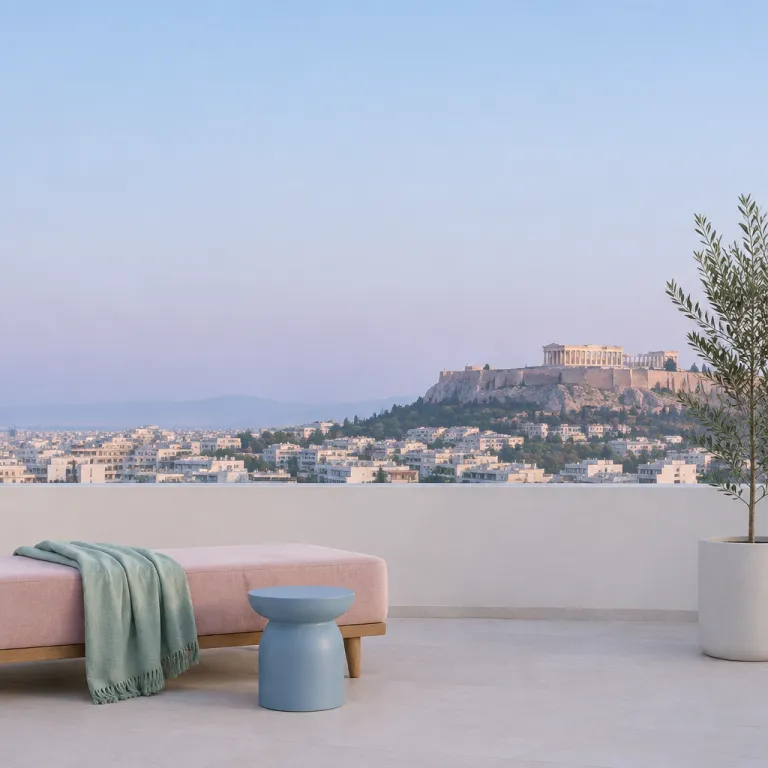
From a premium hotel terrace, you will often enjoy a direct view of the Acropolis hill. This elevated rock dominates Athens and frames many of the best things to see, from the Parthenon temple to the surrounding archaeological sites. Choosing to visit Athens with a focus on heritage means your city break becomes a curated journey through ancient and modern Greece, rather than a rushed checklist of monuments.
High end properties near Syntagma Square or Monastiraki Square let you walk to most places to visit. In a single morning, you can explore the Roman Agora, Hadrian’s Library, and the lively Monastiraki flea market street network. Later, you will find calm again in your hotel spa or rooftop pool, a contrast that makes time in Athens Greece feel both energising and restorative.
Staying near the Acropolis and Acropolis Museum
For many guests asking what to see in Athens Greece, the Acropolis is the natural starting point. Staying in a luxury hotel in the Makrygianni or Plaka area means you can reach the Acropolis entrance on foot in less than fifteen minutes, or about 1 kilometre. This proximity allows you to plan your visit at quieter times of day and avoid the most intense heat, especially between late June and early September.
Book Acropolis tickets in advance, ideally with timed entry, to minimise waiting time at the gate. As of 2024, standard adult tickets for the Acropolis and slopes are generally around €20 in high season, with reduced prices in winter and discounted combined tickets that include several archaeological sites. Many premium hotels will arrange skip the line access or private guided tours that combine the Acropolis with the Acropolis Museum, often including hotel pickup and drop off in an air conditioned vehicle.
From the glass galleries of the Acropolis Museum, you will find a spectacular view back to the hill itself. The alignment between the museum and the archaeological site helps you understand how the ancient city once looked, especially when you compare the Parthenon sculptures inside with the temple above. After your visit, stroll down Dionysiou Areopagitou street, where elegant apartments and discreet luxury hotels face the sacred rock and offer some of the most coveted balconies in Athens.
Choosing a luxury base around Plaka and Monastiraki
Plaka is the historic neighbourhood that many travellers picture when they imagine Athens Greece. Narrow street layouts, neoclassical houses, and small squares create a village atmosphere under the Acropolis hill. A premium hotel here offers immediate access to some of the best things to see, while still feeling intimate and residential, with tavernas and cafés that stay lively until late evening.
Monastiraki, just below Plaka, is livelier and more urban, centred on Monastiraki Square and its metro station on lines 1 and 3, which connect directly to Piraeus port and Athens International Airport. From a high floor suite or rooftop bar, you gain a panoramic view of the Acropolis, the ancient Agora, and the wider city. This area is ideal if you want to visit both archaeological sites and contemporary Athens nightlife without long transfers or complicated transport, since most venues are within a ten to fifteen minute walk.
When you stay between Plaka and Monastiraki, you can reach the Roman Agora, Hadrian’s Library, and the ancient Agora in only a few minutes on foot. These places to visit form a continuous archaeological landscape that reveals how the ancient city functioned, from markets and libraries to temples and civic buildings. After a day of exploration, returning to a refined lobby and quiet room feels like stepping into a private sanctuary, especially in the cooler evening hours when the Acropolis is illuminated.
Historic landmarks that define what to see in Athens Greece
Planning what to see in Athens Greece quickly leads you to its major archaeological sites. The Acropolis, the ancient Agora, and the Roman Agora form the core of any first visit. Choosing a luxury hotel within walking distance of these monuments allows you to experience them at different times of day, from sunrise light to evening illuminations, and to return easily if you wish to revisit a favourite spot.
The Acropolis hill is the spiritual and visual heart of the city. Here you will find the Parthenon temple, the Erechtheion, and the Propylaea, each representing the best of ancient Greek architecture. A guided tour with a specialist archaeologist can transform these ruins into a vivid narrative about democracy, religion, and daily life in classical Greece, often including small details such as ancient graffiti or building techniques that you might otherwise miss.
Below the Acropolis, the ancient Agora spreads across a green valley that feels surprisingly tranquil. This archaeological site once served as the civic and commercial centre of Athens, where citizens met, traded, and debated. Walking its paths today, you will see the well preserved Hephaisteion temple and the reconstructed Stoa of Attalos, which houses a small museum with everyday objects that make the ancient city feel tangible.
Acropolis Museum and National Archaeological Museum
Two institutions stand out when you consider the best museums to visit in Athens Greece. The Acropolis Museum focuses on finds from the sacred hill and its slopes, while the National Archaeological Museum presents treasures from across the country. Both are essential if you want to understand the artistic and cultural context of the monuments you see outdoors and to appreciate how styles evolved over many centuries.
The Acropolis Museum sits just below the hill, making it easy to combine with a morning or evening ascent. Its glass floors reveal archaeological remains beneath, and its top floor gallery aligns with the Parthenon temple above. Many luxury hotels arrange private guided tours here, which can be particularly valuable for guests with limited time in the city or those who prefer a quieter, more structured visit.
The National Archaeological Museum lies slightly further from the historic core, but a short taxi ride from Syntagma Square or Monastiraki Square brings you there in minutes. The nearest metro stop is Victoria station on line 1, about a 10 minute walk away, and several bus routes stop on Patission Avenue directly in front of the museum. Inside, you will find masterpieces such as the gold Mask of Agamemnon and the Antikythera mechanism, making this museum one of the best things to include in any visit to Athens.
Roman Agora, Hadrian’s Library, and Panathenaic Stadium
Beyond the classical Acropolis and ancient Agora, several later monuments enrich the list of what to see in Athens Greece. The Roman Agora and Hadrian’s Library reflect the city’s transformation under Roman rule, when emperors invested in new public spaces and monumental architecture. These archaeological sites sit just steps from Monastiraki, making them easy to integrate into a half day walking route that also includes nearby churches and market streets.
The Roman Agora features the elegant Gate of Athena Archegetis and the Tower of the Winds, an ancient timekeeping structure that once combined sundials, a water clock, and a weather vane. Nearby, the remains of Hadrian’s Library hint at the intellectual life of the city during the Roman period, with its former reading rooms and courtyards. From many premium hotels in the area, you can reach both complexes in less than ten minutes on foot, often following shaded side streets that feel far from traffic.
Another unmissable monument is the Panathenaic Stadium, a vast marble arena rebuilt on an ancient site. This stadium hosted the first modern Olympic Games in 1896 and remains a powerful symbol of athletic heritage in Greece. A visit here, especially in the late afternoon, offers a different perspective on Athens beyond temples and museums, with the added option of walking the track or climbing to the upper tiers for a sweeping city view that stretches towards Mount Lycabettus.
Elegant neighbourhoods and green spaces around central Athens
When you plan what to see in Athens Greece, do not focus only on monuments. The character of each neighbourhood shapes your stay, especially if you choose a luxury hotel as your base. Areas around Syntagma Square, Kolonaki, and Plaka combine refined shopping, dining, and easy access to key archaeological sites, so you can alternate between cultural visits and leisurely urban strolls.
Syntagma Square is the political and geographic centre of the city, framed by the Hellenic Parliament and grand hotels. Here you can watch the changing of the guard at the Tomb of the Unknown Soldier, a ceremony that takes place several times a day and becomes more elaborate on Sunday mornings. Many travellers select a premium property on or near the square to enjoy both convenience and classic urban views over the square’s fountains and tree lined avenues.
Kolonaki, just uphill from Syntagma, offers a more residential atmosphere with designer boutiques and art galleries. From a terrace suite here, you will find a sweeping view over Athens, the Acropolis, and the sea beyond on clear days, especially at sunset. This district works well for guests who want to visit Athens for several nights and balance cultural visits with relaxed city living, café hopping, and evening drinks on pedestrian streets such as Skoufa or Tsakalof.
National Garden and nearby landmarks
Behind the Parliament building and Syntagma Square lies the National Garden, a welcome oasis in the dense city. This landscaped park offers shaded paths, small ponds, and quiet benches, ideal for a pause between museum visits or a morning jog. Luxury hotels nearby often suggest an early morning walk here before the day’s heat builds, when you share the paths mainly with locals walking dogs or commuting on foot.
The National Garden connects directly to several important places to visit, including the Zappeion Hall and the Panathenaic Stadium. Walking through the garden, you move from the formal atmosphere of Syntagma to more relaxed green surroundings and then to open plazas. For families or couples, this route offers one of the best things to do when you need a break from stone and marble and want a slower, more contemplative hour in nature.
From many high end properties around Syntagma, you can reach the National Garden entrance in less than five minutes. This proximity allows you to integrate nature into even a short visit to Athens Greece, perhaps with a coffee in hand from a nearby café. It also underlines how compact the historic core of the city is, making it ideal for luxury travellers who prefer to explore on foot and return easily to their room between outings.
Philopappos Hill and panoramic views
Philopappos Hill, opposite the Acropolis, offers one of the most impressive views in Athens. A gentle path leads to the Philopappos Monument at the summit, from where you can see the Acropolis, the city, and the Saronic Gulf. Many guided tours include this hill as a quieter alternative to the more crowded main sites, and locals often come here for evening walks.
Walking up Philopappos Hill at sunset is a memorable experience, especially if your hotel is nearby in Thissio or Koukaki. The changing light on the Acropolis and the ancient Agora below creates a dramatic scene, with the marble gradually turning from white to gold and then to soft grey. For photographers and architecture enthusiasts, this is among the best things to include when planning what to see in Athens Greece.
From the top, you will find that the dense city stretches in every direction, framed by surrounding mountains. This perspective helps you understand how ancient and modern Athens coexist in a single urban landscape, with archaeological sites embedded in contemporary neighbourhoods. Returning afterwards to a calm, elegant hotel lobby feels particularly rewarding after the climb, especially if you end the evening with a drink on a terrace overlooking the same view.
Planning your visits, tickets, and guided tours from a luxury base
Thoughtful planning transforms what to see in Athens Greece from a checklist into a curated experience. When you stay in a luxury or premium hotel, the concierge team becomes a key ally. They can secure tickets, arrange guided tours, and time your visits to avoid the busiest periods at major archaeological sites, often checking real time crowd information before confirming your schedule.
For the Acropolis, Acropolis Museum, and ancient Agora, advance tickets are strongly recommended, especially in high season from May to October. Many hotels can book combined tickets that cover multiple archaeological sites, saving both time and effort and reducing the number of separate queues you face. This approach allows you to move smoothly from one place to visit to another, without queuing under the sun or worrying about last minute availability.
Private guided tours offer deeper insight than standard group visits, particularly for guests with a strong interest in ancient Greek history. A typical itinerary might include the Acropolis, the Acropolis Museum, and a walk through Plaka and Monastiraki, with pauses for coffee or a light lunch at a recommended spot. From a central hotel, your guide can meet you in the lobby, turning the city into an open air extension of your temporary residence and adapting the pace to your preferences.
Timing your day around the city’s rhythm
Time management matters when you decide what to see in Athens Greece. Early mornings and late afternoons are usually the best moments for outdoor archaeological sites, both for light and temperature. Midday can then be reserved for museum visits, long lunches, or spa time back at your hotel, when the sun is strongest and pavements feel hottest.
The Acropolis opens early, so guests staying nearby in Plaka or Makrygianni can reach the gate shortly after opening. This timing often means fewer crowds and a softer light on the Parthenon temple and surrounding structures, making photographs more flattering. Later, you might walk down to the ancient Agora or Roman Agora, which tend to feel calmer in the late afternoon as day trippers leave.
Evenings in Athens Greece are ideal for exploring Monastiraki Square, the surrounding street network, and rooftop bars with Acropolis views. Many premium hotels offer their own terraces, where you will find refined cocktails and quiet seating away from the busiest streets. Watching the hill light up at night often becomes one of the best things guests remember from their stay, a nightly ritual that marks the end of each day.
Safety, comfort, and moving around the city
Guests often ask how safe Athens feels for a luxury city stay. Central areas around Syntagma Square, Plaka, and Monastiraki are generally busy and well lit, especially in the evening, though you should still take normal big city precautions with valuables. Choosing a reputable premium hotel adds an extra layer of comfort, with secure entrances, attentive staff, and reliable transport arrangements for late night returns.
Walking remains the most pleasant way to experience what to see in Athens Greece, as distances between key sites are short and pavements are generally straightforward to navigate. Taxis and app based services are widely available for longer trips, such as reaching the National Archaeological Museum or the Panathenaic Stadium, and metro lines 1, 2, and 3 connect most central districts. For a detailed perspective on urban safety and refined exploration, you can consult this guide to how safe Athens is for a luxury city stay.
From most central hotels, you will find that major landmarks lie within a radius of about 2 kilometres. This compactness allows you to structure your time efficiently, fitting several places to visit into each day without feeling rushed. It also means you can return to your room between visits, changing clothes or resting before an evening out, which is particularly welcome in the summer heat.
Balancing heritage, comfort, and the realities of a popular destination
As you refine your list of what to see in Athens Greece, it helps to recognise that the city now welcomes millions of visitors each year. This popularity brings both opportunities and challenges, especially around the most famous archaeological sites. Luxury and premium hotels play a role in managing this balance by promoting responsible, well timed visits and by encouraging guests to explore beyond the most crowded hours.
High end properties often work with expert guides who understand how to navigate crowds and protect fragile monuments. They may suggest visiting the Acropolis and ancient Agora at off peak times, then focusing on quieter places to visit such as Philopappos Hill or the National Garden during the middle of the day. This approach allows guests to enjoy the best things in Athens while reducing pressure on the most sensitive areas and improving their own comfort.
Some travellers worry that intense tourism might erode the authentic character of the city. Thoughtful planning, however, can lead you to neighbourhoods and experiences that still feel deeply local, from morning coffee bars to evening wine bars frequented by residents. A detailed analysis of the overtourism debate is available in this article on the overtourism paradox in Athens, which is useful reading before you finalise your itinerary.
Supporting local culture while enjoying premium services
Staying in a luxury hotel does not mean isolating yourself from the real Athens. Many of the best properties now collaborate with local artisans, chefs, and cultural institutions. By choosing such a hotel, you support the wider community while enjoying high standards of comfort and service that match the expectations of a refined city break.
For example, some concierges recommend small galleries in Kolonaki, independent shops in Plaka, or family run tavernas near Monastiraki Square that specialise in regional Greek dishes. These suggestions help you move beyond the most obvious things in Athens and connect with living culture, whether through contemporary art, design, or food. In turn, your spending contributes to neighbourhood resilience in the face of mass tourism and supports year round employment.
When you visit Athens with this mindset, each ticket, tour, and meal becomes part of a broader story. You are not only seeing ancient stones but also participating in the city’s present and future, from cultural festivals to new museum exhibitions. This perspective aligns well with the values of many luxury travellers, who seek meaning as much as comfort and appreciate knowing that their choices have a positive impact.
Environmental considerations and quieter alternatives
Environmental impact is another factor to consider when planning what to see in Athens Greece. Concentrated foot traffic on the Acropolis and other archaeological sites can accelerate wear on fragile surfaces and increase the need for conservation work. Choosing guided tours that follow established paths and respect regulations helps protect these irreplaceable monuments for future generations.
Luxury hotels increasingly adopt sustainability measures, from energy efficient systems to reduced plastic use and partnerships with local suppliers. When selecting where to stay, you may wish to ask about such initiatives, especially if environmental responsibility matters to you. Supporting properties that invest in these practices encourages broader change across the city’s hospitality sector and aligns your stay with your values.
Quieter alternatives such as Philopappos Hill, the National Garden, and lesser known museums can enrich your itinerary while easing pressure on headline sites. These places to visit often provide space for reflection, away from large groups and tight schedules, and they reveal different layers of Athenian life. Balancing famous highlights with such locations leads to a more nuanced and satisfying experience of Athens Greece.
Curated itineraries: from first time visits to extended luxury stays
Transforming what to see in Athens Greece into a coherent itinerary depends on how long you stay. A two night city break calls for a focused selection of highlights, while a longer visit allows for deeper exploration and more spontaneous discoveries. Luxury and premium hotels excel at tailoring these plans to individual interests and energy levels, often adjusting daily schedules based on weather and local events.
For a short stay, a classic route might include the Acropolis, Acropolis Museum, and a walk through Plaka and Monastiraki on the first day. The second day could then focus on the ancient Agora, Roman Agora, Hadrian’s Library, and the National Archaeological Museum. Even in this limited time, you will find that the city reveals multiple layers of ancient and modern life, from street art to traditional workshops.
Guests with three or four nights can add Philopappos Hill, the National Garden, and the Panathenaic Stadium to their list of places to visit. This extended schedule allows for slower mornings, longer lunches, and more time enjoying hotel facilities such as pools, spas, or rooftop lounges. It also opens space for spontaneous discoveries, such as a quiet side street café, a neighbourhood bakery, or an unexpected gallery.
Thematic days around key districts
One effective way to structure what to see in Athens Greece is to dedicate each day to a specific district. A “Sacred Rock and Slopes” day might combine the Acropolis, Acropolis Museum, and a walk through the surrounding archaeological sites, including the Theatre of Dionysus and the Odeon of Herodes Atticus. A “Civic Heart” day could focus on Syntagma Square, the changing of the guard, the National Garden, and nearby museums or galleries.
Another day might centre on “Market and Agora Life”, starting in Monastiraki Square and its surrounding street market. From there, you can move through the Roman Agora, Hadrian’s Library, and the ancient Agora, tracing the evolution of public space in the city from classical to Roman times. Luxury hotels often provide printed maps or digital guides that support such thematic explorations and highlight recommended cafés or viewpoints along the way.
For guests particularly interested in art and archaeology, a “Museum Masterpieces” day could link the Acropolis Museum, the National Archaeological Museum, and smaller institutions. Transfers between these venues are straightforward from central hotels, whether by taxi or arranged car, and concierges can advise on ideal starting times based on opening hours. This structure ensures that each day feels coherent, rather than a scattered list of unrelated visits.
Evening experiences and rooftop perspectives
Evenings play a crucial role in how you remember what to see in Athens Greece. After daytime visits to temples and museums, the city’s rooftops and terraces offer a different kind of spectacle, with the Acropolis glowing above the urban landscape. Many luxury hotels feature bars or restaurants with direct views of the illuminated Acropolis hill, often pairing the scenery with tasting menus or signature cocktails.
Dinner on such a terrace allows you to reflect on the day’s archaeological sites while enjoying contemporary Greek cuisine, from seasonal salads to fresh seafood. From your table, you might trace the outline of the Parthenon temple, the Propylaea, and the surrounding slopes, noticing details that were less visible in the bright midday sun. This combination of ancient view and modern comfort captures the essence of a refined stay in Athens Greece.
For those who prefer to explore outside their hotel, numerous rooftop venues around Monastiraki and Syntagma Square offer similar panoramas. Walking between them, you will find lively street scenes, music, and the scent of grilled food rising from tavernas and souvlaki stands. Ending the night with a final look at the Acropolis often becomes a personal ritual during your visit, a quiet moment that anchors each day.
Key figures about luxury travel and heritage visits in Athens
- According to the Hellenic Statistical Authority (ELSTAT), Athens International Airport handled more than 25 million passengers in a recent pre pandemic year, illustrating the city’s role as a major gateway to Greece (source: ELSTAT air transport statistics, latest pre 2020 data).
- Data from the Greek National Tourism Organisation indicate that cultural and heritage tourism accounts for over 30 percent of international visits to Greece, with Athens as the primary entry point for these travellers (source: GNTO market reports on cultural tourism).
- Studies by the Acropolis Museum report annual visitor numbers in the range of 1.5 million to 2 million people, confirming its status as one of the best things to see in Athens for culture focused guests (source: Acropolis Museum annual reports for recent years).
- Research from the World Travel & Tourism Council shows that travel and tourism contribute more than 20 percent to Greece’s GDP when indirect effects are included, underlining the importance of responsible, high value tourism such as luxury city stays (source: WTTC Economic Impact Research for Greece).
- Surveys by the Athens Convention & Visitors Bureau suggest that average daily spending by luxury travellers in the city can be two to three times higher than that of mass market visitors, which has significant implications for local businesses and preservation efforts (source: ACVB visitor expenditure surveys).
FAQ about what to see in Athens Greece for a luxury stay
How many days do I need in Athens for a comfortable luxury stay ?
For a first visit focused on what to see in Athens Greece, three nights offer a good balance between key sites and relaxation. This allows time for the Acropolis, Acropolis Museum, ancient Agora, and at least one major museum such as the National Archaeological Museum. With four or five nights, you can add Philopappos Hill, the National Garden, and more leisurely neighbourhood exploration.
Which area is best for a premium hotel close to historic landmarks ?
Plaka, Syntagma Square, and the area around Monastiraki Square are ideal for combining luxury accommodation with easy access to major archaeological sites. From these districts, you can walk to the Acropolis, Roman Agora, Hadrian’s Library, and several museums in less than twenty minutes. Kolonaki is another excellent option if you prefer a more residential feel with upscale shopping and dining.
Do I need to book tickets in advance for the Acropolis and museums ?
Advance tickets are strongly recommended for the Acropolis, Acropolis Museum, and other popular archaeological sites, especially during peak season. Many luxury hotels can arrange combined tickets or private guided tours that include priority entry. Booking ahead reduces waiting time and helps you structure your day more efficiently.
Are guided tours worth it for travellers already familiar with ancient history ?
Even for guests with prior knowledge, specialised guided tours can add significant value. Expert guides connect the Acropolis, ancient Agora, and museum collections into a coherent narrative tied to the topography of the city. Private tours also allow you to focus on specific interests, such as architecture, philosophy, or daily life in classical Athens.
Is Athens suitable for a relaxed city break, or is it too crowded ?
Athens can feel busy around major landmarks, but a well chosen luxury hotel and thoughtful timing make it very suitable for a relaxed stay. Early morning and late afternoon visits, combined with midday breaks in the National Garden or your hotel spa, create a comfortable rhythm. Exploring quieter streets in Plaka, Kolonaki, and around Philopappos Hill also helps you experience a calmer side of the city.