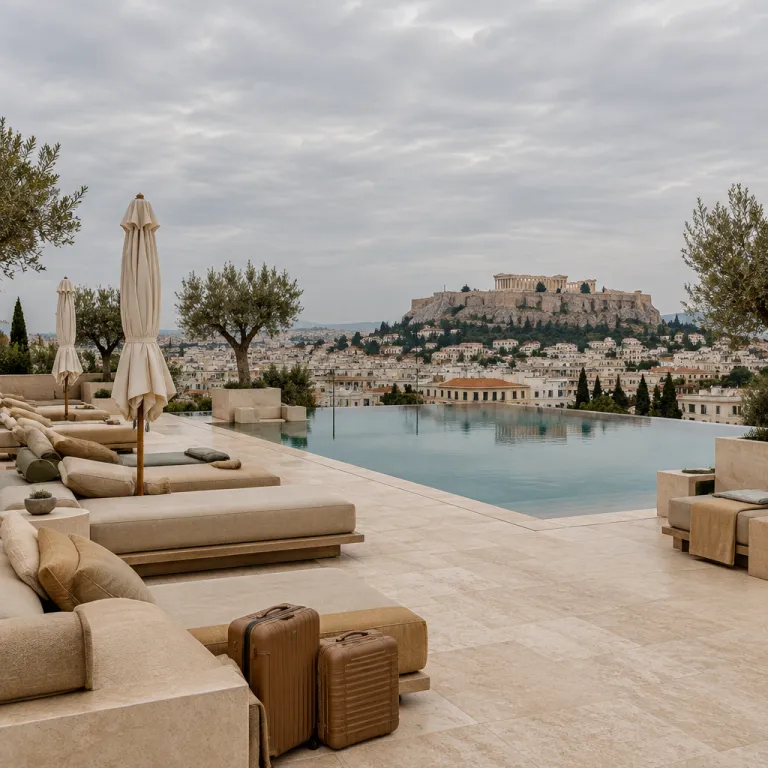
World Tourism Day in Athens: when luxury travel meets limits
World Tourism Day lands in Athens just as the city feels full. The Acropolis now runs on timed slots and daily visitor caps, a clear signal that responsible luxury tourism in Athens is no longer optional but structural. For travelers who see luxury as access, comfort and culture rather than excess, this is the moment to rethink how they travel Athens and how their choices shape the city.
The Greek capital has always balanced rich history with restless energy, yet record tourism is testing that balance. Athens, Greece now debates how many visitors its streets, monuments and local communities can absorb without eroding the very character that draws travelers in the first place. Responsible luxury tourism in Athens asks you to read these signals carefully and treat the city as a shared home rather than a backdrop.
For high end travelers, the question is not whether to stay in a luxury hotel but how that stay can reduce environmental impact while deepening the experience. Choosing hotels that invest in sustainability, pay fair wages and support local suppliers is no longer a niche preference, it is a baseline for sustainable tourism in a dense city. Responsible luxury tourism in Athens becomes a lens through which every decision is filtered, from transportation to dining and from rooms suites selection to day trips to the Greek islands.
What the city is telling travelers this season
Athens is quietly rewriting the rules of tourism, and the changes matter for anyone planning a luxury travel break around World Tourism Day. Visitor management at the Acropolis, new controls on short term rentals and debates about cruise arrivals all point to a city asserting its limits to protect its local economy and its residents. When you plan a trip now, you are stepping into an active conversation about sustainable travel rather than a static postcard of ancient stones.
This is not anti tourism sentiment, it is a recalibration of welcome that asks travelers to be more eco conscious and more intentional. Staying in established hotels rather than unregulated rentals helps keep housing stock for locals and channels taxes back into city services that both residents and travelers use. Responsible luxury tourism in Athens means understanding that your star rating choice and your preferred neighborhood have consequences far beyond your check out date.
The city’s green lungs, from the National Garden to the pine covered hills above the center, are also part of this recalibration. When travelers choose early morning visits, off peak seasons and slower itineraries, they ease pressure on fragile spaces while gaining a calmer, richer experience of Athens, Greece. In this sense, sustainability is not a constraint on luxury but a way to reclaim time, space and attention in a crowded city.
Inside the hotels: how luxury is redefining sustainability
Across Athens, luxury hotel teams are quietly reengineering operations to align with sustainable tourism without sacrificing comfort. You see it in discreet energy management systems, in filtered tap water replacing single use plastics and in kitchens that treat food waste as a design problem rather than an inevitability. For travelers used to polished service, the new marker of luxury is how invisible these eco friendly systems feel while still cutting carbon footprint and environmental impact.
Some of the most interesting moves are happening behind the scenes, in procurement and staffing rather than in headline grabbing rooftop pools. Properties that take sustainability seriously are sourcing Greek linens, local marble and regional produce, keeping more value in the local economy and supporting local artisans. Responsible luxury tourism in Athens becomes tangible when your breakfast yoghurt comes from a small farm in Attica and your spa products are made by a family business rather than shipped across continents.
If you want to see which hotels are walking the talk, start with a focused guide to greener hotels that are serious about sustainability in the city. These properties tend to publish clear sustainability goals, measure their environmental impact and train their équipe to talk confidently about eco conscious choices with guests. In the context of responsible luxury tourism in Athens, that transparency is as important as thread count or rooftop views.
From rooms and suites to the wider city
When you browse rooms suites categories on a booking site, look beyond square meters and sea glimpses. Ask how the hotel manages energy in its suites, whether it uses key card systems, motion sensors and efficient glazing to reduce emissions without compromising comfort. In Athens, Greece, the most forward looking hotels are also investing in better insulation and smart ventilation, which matters in a city facing hotter summers and heavier air conditioning loads.
Service design is another frontier where sustainability and luxury intersect. Some hotels now offer tiered housekeeping, allowing eco conscious travelers to opt for less frequent linen changes while still enjoying meticulous cleaning standards. This is not about asking guests to sacrifice, it is about aligning high service expectations with a more sustainable travel mindset that respects water scarcity and energy use in a Mediterranean city.
Even the way a hotel curates its minibar and in room dining can signal its stance on supporting local producers. Look for Greek wines from small estates, local craft beers and snacks sourced from nearby bakeries rather than anonymous global brands. Responsible luxury tourism in Athens thrives when every detail, from the bathrobe to the bar nuts, tells a story about the city and its local communities rather than erasing them.
Spending power as a tool: how to support local communities
For business leisure travelers extending a work trip, time is often tight but spending power is significant. That combination can either accelerate extractive tourism or quietly reinforce local communities that keep Athens, Greece vibrant beyond the high season. Responsible luxury tourism in Athens asks you to treat every euro as a vote for the kind of city you want to return to.
Start with where you eat and drink, because dining is one of the easiest levers for supporting local businesses. Choose Greek run restaurants that employ neighborhood staff, source seasonal produce and serve regional wines, rather than international chains that siphon profits elsewhere. In practice, this might mean a late lunch in a family owned taverna in Koukaki instead of a generic global brasserie, or a natural wine bar in Exarchia where the owner can talk you through bottles from across the Greek islands.
Shopping follows the same logic, especially around World Tourism Day when the city is full of visitors. Seek out independent galleries, design studios and fashion labels that produce in Greece and pay fair wages, rather than mass produced souvenirs. Responsible luxury tourism in Athens turns a simple plan trip checklist into a curated route of ateliers and workshops, where your purchases help sustain crafts that give the city its texture.
Choosing hotels that genuinely support local
Not all hotels contribute equally to the local economy, even at the same star rating. When you evaluate a luxury hotel, look for evidence that it hires from nearby neighborhoods, partners with local tour guides and features Greek products in its spa, bar and breakfast buffet. These are concrete signs that the property is supporting local communities rather than operating as an isolated island of globalized luxury.
Some of the most interesting addresses in Athens occupy former factories, schools or commercial buildings that have been sensitively reworked into hotels. A deeper dive into the buildings behind Athens design hotels shows how adaptive reuse can preserve rich history while creating new hospitality experiences. In the context of responsible luxury tourism in Athens, this kind of architectural recycling is as important as any eco certification, because it keeps the city’s layers visible.
When a hotel invests in neighborhood projects, sponsors cultural events or opens its ground floor to the public, it blurs the line between guest space and city space. Travelers benefit from a more authentic experience, while residents gain amenities and jobs that outlast any single season. That is what sustainable tourism looks like on the street level, far from policy documents and marketing slogans.
Moving through the city: transportation, timing and restraint
How you move through Athens can either amplify or soften your environmental impact. Short taxi hops in heavy traffic add up quickly, especially when multiplied by thousands of travelers on tight schedules. Responsible luxury tourism in Athens encourages you to treat transportation choices as part of your overall sustainability strategy, not an afterthought.
The city center is compact enough that many key sites sit within a few kilometers of each other, making walking a realistic option for most travelers. Strolling from Syntagma through the National Garden to the Panathenaic Stadium offers a shaded, eco friendly route that doubles as a history lesson in stone and greenery. When distances stretch, combine the efficient metro with occasional taxis, reserving private transfers for airport runs or late night returns when public options thin out.
Timing also matters, especially around World Tourism Day when tourism campaigns and events can swell crowds. Visiting major sites early in the morning or later in the afternoon reduces pressure on staff and infrastructure while giving you a calmer, richer experience of Athens, Greece. In this sense, restraint becomes a form of luxury travel, trading the rush of ticking boxes for the pleasure of unhurried observation.
Day trips, islands and the wider Greek context
Many visitors pair a few nights in Athens with a hop to the Greek islands, a pattern that shapes both local economies and environmental footprints. When you plan a trip that includes island time, consider staying longer in fewer places rather than skimming across multiple destinations. This reduces transportation emissions and gives your spending more weight in each community you visit.
Within Athens itself, day trips to nearby coastal areas or archaeological sites can be structured with sustainability in mind. Choose group transfers over solo car hires where possible, and favor operators who are transparent about their environmental impact and their relationships with local communities. Responsible luxury tourism in Athens extends beyond the city limits, asking you to see the capital as part of a wider Greek tourism ecosystem.
Ultimately, the weight of welcome on World Tourism Day rests on both sides of the reception desk. The city and its hotels are setting new boundaries, but travelers decide whether to meet them with entitlement or with curiosity and care. When luxury travelers approach Athens, Greece as a place to be in relationship with rather than a product to consume, sustainability stops being a slogan and becomes the quiet, confident rhythm of the trip.
FAQ
How can I make my luxury stay in Athens more sustainable ?
Choose a luxury hotel that publishes clear sustainability policies, uses energy efficient systems and sources Greek products for dining and amenities. Walk or use public transportation for most city journeys, reserving private cars for airport transfers or late nights. Spend in locally owned restaurants, shops and galleries so your budget supports local communities and the wider local economy.
Does staying in a hotel help more than booking a short term rental ?
In Athens, regulated hotels usually contribute more predictably to taxes, jobs and infrastructure than informal rentals. Established properties are also more likely to track their environmental impact and invest in long term sustainability upgrades. For responsible luxury tourism in Athens, choosing a hotel that supports local staff and suppliers is often the more sustainable travel option.
Are there eco friendly transportation options from the airport to the city ?
Yes, the metro and express buses connect Athens International Airport to the city center with a lower carbon footprint than private cars. If you prefer a car for comfort or timing, consider booking a shared transfer or an operator that uses efficient vehicles. Once in the city, combine walking with the metro and trams to keep your transportation emissions modest.
What should I look for when choosing a sustainable luxury hotel in Athens ?
Look for transparent information about energy use, water management and waste reduction, not just generic green slogans. Check whether the hotel employs local staff, partners with neighborhood businesses and offers Greek products in its spa, bar and dining outlets. Star rating still matters for service expectations, but for responsible luxury tourism in Athens, the depth of sustainability commitments is just as important.
Is it still worth visiting major sites like the Acropolis with new visitor caps ?
Yes, the new systems are designed to protect both the monuments and the visitor experience. Booking timed slots and visiting at off peak hours can make your time on the hill calmer and more meaningful. Responsible luxury tourism in Athens means accepting these limits as part of the privilege of engaging with a site that carries such rich history for both locals and travelers.