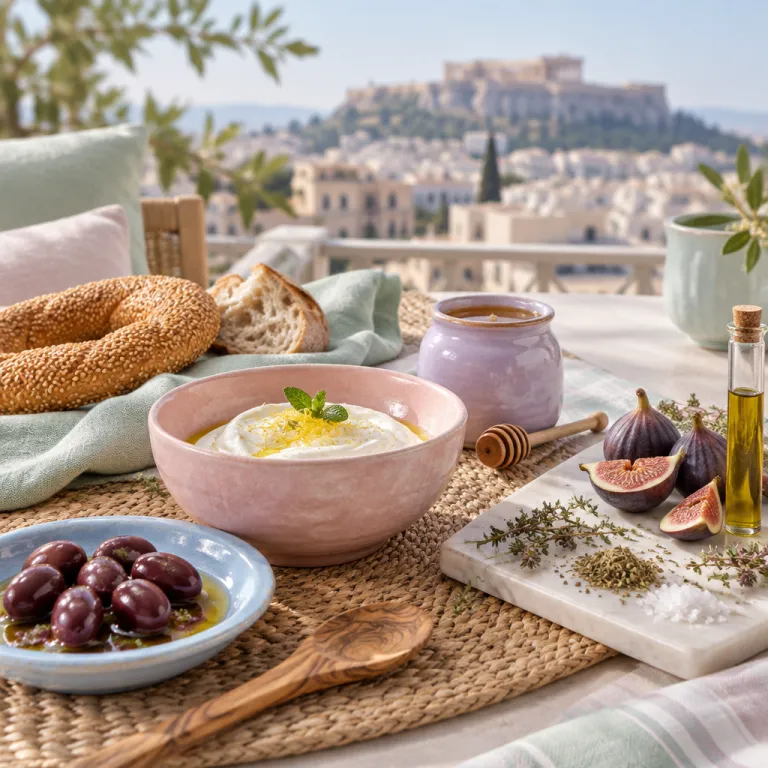
Designing a luxury cultural itinerary around the Athens Acropolis
Staying in a premium hotel in Athens lets you shape each day around the Acropolis and its surrounding districts. For many travelers, the most unique things to do in Athens begin before sunrise, when the rock glows softly and the city is still quiet. From a high floor or rooftop suite, you can watch the light move across the Athens Acropolis and decide whether to start with the Parthenon, the Acropolis Museum, or the quieter slopes.
Start your trip with a curated walking tour that links the Acropolis, the ancient Agora, and the Roman Agora in one elegant itinerary. A private guide can time your visit to the Parthenon, the temple of Athena Nike, and the temple of Zeus so that you avoid the busiest hours and enjoy each site in relative calm. Aim to enter the Acropolis close to opening time, then pause for a late morning coffee before continuing to the Agoras. Many luxury concierges arrange a tailored walking route that includes shaded pauses in the National Garden and a table at a refined Greek restaurant nearby.
The Acropolis Museum should anchor any cultural itinerary that focuses on ancient and historic Athens. Its glass floors reveal excavations built beneath the structure, while galleries explain how the monuments were originally built and decorated. When you visit Athens with limited time, combining the museum with a late afternoon ascent to the Acropolis offers a rewarding sequence: explore the sculptures and models first, then see the originals in situ as the light softens over the city.
Plaka, Monastiraki, and the art of slow city wandering
Luxury travelers often find that the most memorable things in Athens are not rushed but gently paced. The neighborhoods of Plaka and Monastiraki reward this slower rhythm, especially when your hotel is within walking distance and you can return easily to rest. A carefully planned walking tour through these streets turns a simple stroll into a layered cultural experience, with time for cafés, small museums, and artisan shops.
Begin in Plaka, the oldest residential area of the city, where neoclassical houses were built against the slopes of the Acropolis. Here you can visit small museums, pause in a hidden garden, and enjoy Greek coffee in quiet courtyards that feel far from traffic. Many guests ask their concierge to map an itinerary that links these hidden gems with artisan workshops and family run tavernas, often including stops around Adrianou Street and the quieter lanes above Lysikratous Square.
From Plaka, drift down toward Monastiraki and its lively square, where the Monastiraki flea market spreads through the surrounding streets. On weekends, the flea market becomes a highlight for visitors who enjoy vintage objects, old books, and antiques that reflect the city’s layered past. A premium hotel can arrange a guide who knows the Monastiraki flea stalls well and can point out authentic finds rather than tourist trinkets, which makes this part of your visit Athens program feel more curated and personal.
Ancient stages, modern performances, and luxury evenings in Athens
Some of the most unique things to do in Athens unfold after dark, when ancient theaters come alive with music and drama. The Odeon of Herodes Atticus, often called the Herodes Atticus theater, sits beneath the Acropolis and offers a setting that feels both intimate and monumental. Watching a performance here transforms a simple night out in the city into a highlight of your entire trip, especially if you arrive early enough to watch the sunset over the stone tiers.
Many luxury hotels coordinate tickets and transfers for guests attending events at the Odeon of Herodes Atticus, especially during the Athens and Epidaurus Festival, which brings opera, dance, and classical concerts to historic venues. Planning where to stay for this festival is easier when you use a premium booking platform that understands performance schedules and can suggest properties with flexible late night services. For detailed guidance on where to stay during the festival season, you can consult this dedicated resource on Athens and Epidaurus cultural stages.
Beyond the Odeon Herodes theater, contemporary venues across Athens host jazz, experimental music, and Greek theater that reinterpret ancient themes. A refined itinerary might pair an early evening visit to the Acropolis Museum with a late performance, followed by a quiet drink on a rooftop terrace overlooking the lit monuments. This blend of ancient and modern culture is among the most rewarding aspects Athens offers travelers who value both comfort and depth.
Stadiums, ceremonies, and the rhythm of civic life
To understand Athens as a living city rather than an open air museum, include its civic rituals and sporting heritage in your plans. The Panathenaic Stadium, built entirely of marble, stands as a bridge between ancient athletic contests and modern international events. Walking through its tiers with a private guide helps you imagine the roar of crowds and the disciplined grace of athletes across the centuries.
Many visitors combine the Panathenaic Stadium with a visit to the nearby temple of Zeus and the National Garden, creating a half day walking tour that balances monuments with greenery. This route works especially well for guests staying in central luxury hotels, who can reach each place to visit within a short transfer or even on foot. When you plan your time in Athens carefully, you can enjoy these sites in the early morning and reserve the afternoon for rest by the pool or a spa treatment.
Do not miss the changing of the guard ceremony at Syntagma Square, where the Evzones perform a slow, precise ritual in front of the Parliament. The changing guard event is free to attend and offers one of the most photogenic things Athens presents to visitors interested in living traditions. A premium concierge can advise on the best time in Athens to watch the changing guard with fewer crowds and can arrange a car to bring you back to your hotel afterward.
Gardens, free experiences, and hidden gems beyond the classics
While the Acropolis and major museums rightly dominate many itineraries, some of the most unique things to do in Athens cost little or nothing. The National Garden, located behind the Parliament, offers shaded paths, small ponds, and quiet corners where you can pause between visits. For guests staying in luxury properties nearby, this garden becomes an easy retreat from the city’s energy, especially in the heat of the afternoon.
Several free things in Athens align beautifully with a premium stay, especially when you value space, calm, and authentic atmosphere. Wandering through Anafiotika, the tiny neighborhood built by island craftsmen on the slopes of the Acropolis, feels like stepping into a Cycladic village without leaving the city. These whitewashed lanes count among the true hidden gems of Athens and can be woven into a longer walking tour that also includes Plaka and the ancient Agora.
From a cultural perspective, some of the best things Athens offers are seasonal exhibitions and performances in galleries and smaller theaters. Guests can consult specialized guides to the autumn of exhibitions and stages in Athens to align their trip with major shows and events. A well informed concierge will integrate these temporary highlights into your itinerary so that every day includes at least one thing in Athens that feels both timely and personal.
Rooftops, museums, and crafting a hotel centered Athens itinerary
For many travelers, the choice of hotel shapes how they experience the most unique things to do in Athens. A property with a panoramic rooftop allows you to see the Acropolis, the temple of Zeus, and the wider city in a single sweeping view. This perspective helps you understand how the ancient Agora, the Roman Agora, and modern neighborhoods connect across the urban landscape.
Rooftop restaurants in Athens have become cultural destinations in their own right, pairing refined Greek cuisine with views of the Acropolis Museum and the lit Parthenon. Even if you are not staying overnight, some terraces are worth booking for dinner or drinks as part of a carefully planned evening itinerary. For a curated selection of elevated dining spots, consult this guide to Athens hotel rooftop restaurants worth booking, which highlights places where the setting rivals the menu.
When you design your trip through a luxury booking website, you can filter hotels by proximity to key sites such as the Acropolis Museum, the ancient Agora, and Monastiraki. This allows you to minimize transfers and maximize time in Athens spent on meaningful experiences rather than logistics. The most successful itineraries weave together major monuments, quieter neighborhoods, and at least one free thing in Athens each day, ensuring that every place you visit feels intentional rather than rushed.
Key figures on Athens travel and cultural experiences
- According to the Hellenic Statistical Authority (ELSTAT), Athens International Airport handled approximately 25.6 million passengers in 2019, underscoring the city’s role as Greece’s primary gateway for international trips (Hellenic Statistical Authority, Air Transport Statistics 2019).
- Data from the Greek National Tourism Organization indicate that cultural tourism accounts for roughly 30 percent of all visits to Greece, with Athens and the Acropolis Museum ranking among the top attractions for these travelers (Greek National Tourism Organization, Annual Report 2019).
- Surveys by the European Travel Commission show that over 60 percent of visitors to Athens include at least one guided walking tour in their itinerary, reflecting strong interest in structured cultural experiences (European Travel Commission, European City Tourism Study 2020).
- Research from the World Travel & Tourism Council highlights that Greece’s travel and tourism sector contributed about 21 percent of national GDP in 2019, with Athens playing a central role as a year round city destination (World Travel & Tourism Council, Economic Impact Report 2021).
FAQ about unique cultural stays in Athens
What are the most unique things to do in Athens for culture lovers ?
Culture focused travelers should prioritize the Acropolis, the Acropolis Museum, the ancient Agora, and the Roman Agora, then add a performance at the Odeon of Herodes Atticus if schedules allow. A curated walking tour through Plaka, Monastiraki, and the National Garden reveals hidden gems and everyday city life. Many luxury guests also enjoy the Panathenaic Stadium, the temple of Zeus, and the changing of the guard at Syntagma Square.
How many days do I need in Athens for a refined cultural itinerary ?
A minimum of two full days in Athens allows you to visit the Acropolis, the Acropolis Museum, and one or two historic neighborhoods without rushing. Three to four days provide enough time in Athens to include the Panathenaic Stadium, additional museums, and an evening performance at the Herodes Atticus theater. With five days, you can balance major sites, free things such as the National Garden, and relaxed rooftop evenings.
Which area is best for staying close to major historic sites ?
For easy access to the main things in Athens, many travelers choose hotels in Plaka, around Syntagma Square, or near the Acropolis Museum. These areas place you within walking distance of the Acropolis, the ancient Agora, and Monastiraki, which simplifies your daily itinerary. Luxury and premium properties in these districts often provide concierge teams who can arrange private tours and timed entries.
Are there worthwhile free things to include in an Athens itinerary ?
Yes, several experiences in Athens are free and still feel special, especially when combined with a premium stay. The National Garden, the changing of the guard at Syntagma, and wandering through Anafiotika or the Monastiraki flea market all count among the best free things in the city. Integrating at least one free thing in Athens each day creates a pleasant rhythm between major ticketed sites and more spontaneous moments.
How can a luxury hotel booking website enhance my Athens trip ?
A specialized luxury booking website for Athens helps you filter hotels by proximity to the Acropolis, key museums, and neighborhoods such as Plaka or Monastiraki. Many platforms highlight properties with strong concierge services, rooftop views, and easy access to walking tour meeting points. Using these tools, you can design a trip where every place you visit fits smoothly into a coherent, culturally rich itinerary.