Why athens thalassotherapy thermal springs spa wellness belongs on your itinerary
Athens is usually sold as marble, museums and mezze, yet its coastline hides a serious coastal spa and thermal springs wellness culture. Along the Athens Riviera, thermal springs meet Aegean water in a way that feels both ancient Greek and quietly avant garde for modern wellness tourism. For couples or friends, this mix of sea-facing spa retreats, natural hot springs and refined hydrotherapy circuits can turn a city break into a restorative escape.
The science is clear on why this coast became one of the classic spa towns of Greece, long before the term wellness was invented. Thalassotherapy uses seawater, marine algae and thermal mineral elements to support circulation, ease joints and improve skin, and here the combination of saline waters and nearby thermal springs Greece offers a particularly therapeutic profile. Local therapists will tell you without hesitation: “What is thalassotherapy? Therapy using seawater and marine products,” and they build every treatment around that principle, often referencing clinical studies on balneotherapy benefits.
Unlike northern European spa traditions that focus on dry sauna and icy plunge pools, the Athens Riviera’s approach to thalassotherapy and thermal spa rituals leans into water in motion. Expect hydrotherapy jets in vast seawater pools, steam room rituals scented with essential oils and outdoor thermal baths where you float under pine-covered cliffs. The result feels less like a clinical regime and more like a slow, sensual bathing period that fits naturally between a late lunch in Glyfada and a sunset walk above the waves, especially if you allow at least two to three hours for each spa session.
Lake Vouliagmeni: the natural thermal spring heart of the Riviera
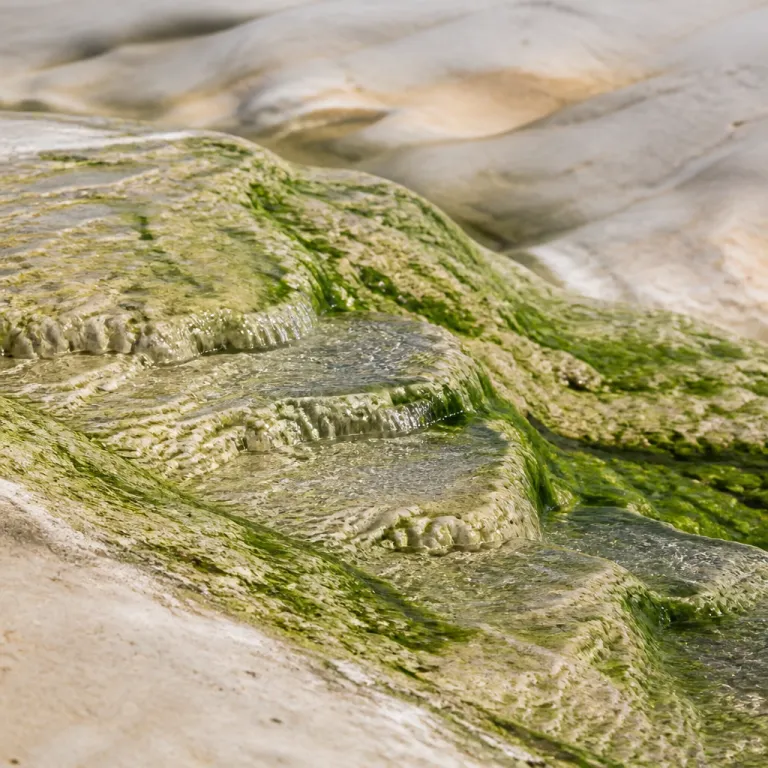
Lake Vouliagmeni is the quiet epicentre of Athens Riviera spa and thermal spring wellness, a brackish lake fed by a deep thermal spring just 25 kilometres from central Athens. The water holds a steady 22 °C across every season, warmed by underground hot springs and enriched with dissolved mineral water that locals have used for therapeutic bathing since ancient Greece. You swim in clear spring water while limestone cliffs rise around you, and the atmosphere feels more sanctuary than public baths.
This is not a contrived spa pool; it is a natural basin where thermal waters and seawater mingle, creating a gentle salinity that is kind to the skin. Couples often start with a slow swim, then book a lakeside massage that uses Greek essential oils and light hydrotherapy-style stretching to ease travel-tight muscles. On-site therapists reference the long period of Greek thermal culture, explaining how similar springs in Edipsos and other spa towns of Greece shaped early tourism around healing waters rather than beaches, and they will usually advise on recommended immersion times for different sensitivities.
Between laps you can feel tiny fish working delicately on your feet, a playful reminder that even the lake’s ecosystem participates in this informal skin treatment. The setting is more relaxed than many structured thalasso center facilities, yet you still find organised changing areas, shaded terraces and simple access to the water. Entry is typically via timed tickets with morning and afternoon slots, and prices vary by season and age group, so it is worth checking the official Lake Vouliagmeni website for current opening hours, online booking procedures and any medical advisories before you go.
Divani Apollon Palace & Thalasso: Europe’s grand thalasso center on the sea
Just along the coast from the lake, Divani Apollon Palace & Thalasso anchors the Riviera’s thalassotherapy and spa scene with unapologetic scale. The hotel’s thalasso center spans 3,500 square metres, built around a 270 square metre seawater pool equipped with 16 hydrotherapy jet zones that target back, legs and neck in sequence. For travellers who enjoy structure, therapists design circuits that move you from jets to thermal mineral baths, then into a steam room or sauna before a tailored massage, usually lasting 90 minutes to two hours in total.
There are 25 private treatment rooms, which means you can usually secure a double cabin for shared rituals that combine marine-based treatment masks with Greek essential oils and focused bodywork. Signature programmes often weave in seaweed wraps, underwater jets and alternating temperature pools, echoing techniques used in spa towns like Edipsos but with a polished Riviera gloss. The atmosphere is more clinical than Lake Vouliagmeni’s natural spring water setting, yet the proximity to the open sea and the hotel’s calm fitness center keep it from feeling sterile, and spa reception staff can explain which packages best suit first-time visitors.
Divani Apollon, sometimes shortened to Apollon Palace in local conversation, works well as a base if coastal thalassotherapy and thermal spa experiences are your primary reason for visiting Greece. You can spend a full period moving between the main pool, smaller thermal baths, a steam room infused with eucalyptus and relaxation lounges that overlook the water. Day passes and à la carte treatments are usually available to non-residents, but advance reservations via email or phone are strongly recommended, and checking the hotel’s official spa fact sheet or brochure will give you up-to-date details on prices, medical questionnaires and any dress code.
From lake to luxury: designing a full day thermal wellness circuit
The most satisfying way to experience Athens Riviera spa and thermal wellness is to treat the coastline as a linear spa, moving from natural spring to refined hydrotherapy. Start early at Lake Vouliagmeni to enjoy the thermal waters before the day trip crowds arrive, swimming gentle laps in the mineral-rich water and letting your skin adjust to the mix of fresh and sea-derived waters. After a light lakeside lunch, follow the coast towards Vouliagmeni’s hotels, where properties like Divani Apollon Palace & Thalasso offer structured thalasso center access for non residents, often in three to four hour blocks.
Book an afternoon hydrotherapy circuit that includes time in the main seawater pool, targeted jets and a steam room session, then finish with a massage that uses Greek essential oils and slow, therapeutic pressure. Couples often choose a package that references ancient Greek bathing rituals, layering marine mud treatment masks with warm spring water pours and short intervals in thermal baths. Expect mid-range hotel spas to charge roughly the price of a good dinner for a basic circuit, with premium properties and longer rituals priced higher; confirmation emails usually outline what is included, from robe hire to herbal teas.
If you still have energy, end the period with a sunset walk along the promenade, letting the sea air act as a final, simple treatment. This is where the Athens Riviera’s thalassotherapy and spa traditions diverge from northern European models, which might end with a cold plunge or snow room rather than a warm coastal stroll. For help choosing the right property to anchor such a day, use this detailed guide to booking luxury hotels in Athens, paying attention to which addresses offer serious spa access versus a token pool.
Greek botanicals, ancient bathing culture and the modern Athens spa
While water is the spine of Athens thalassotherapy and thermal spa culture, the details that make it memorable are often botanical and historical. Many Athens spas now integrate Greek ingredients such as olive oil, sage, dictamus, crocus and myrtle into their treatment menus, echoing remedies that would have been familiar in ancient Greece. A facial might combine mineral water sprays with herbal compresses, while a body massage layers warmed essential oils over skin that has already been softened by time in thermal springs.
This approach feels particularly resonant in a city where ancient Greek public baths once served as both hygiene infrastructure and social club. Modern spa towns like Edipsos in northern Greece still celebrate that lineage with grand thermal baths and even the occasional reference to radioactive springs, but on the Athens Riviera the mood is more discreet. You move from a quiet steam room to a shaded relaxation terrace, perhaps pausing in a small pool fed by filtered spring water, and the experience feels like a private echo of those historic public baths rather than a re enactment.
For couples, this blend of past and present adds narrative depth to what might otherwise be just another spa day. You can talk about how Greek thermal culture evolved from open air hot springs to enclosed thalasso center complexes, or how tourism shifted from pilgrimage style visits to spa towns towards weekend wellness breaks in Athens. That context makes every treatment, from a simple foot bath to a full hydrotherapy sequence, feel anchored in something more enduring than the latest wellness trend, and encourages you to choose therapies that genuinely suit your body rather than chasing novelty.
Practical booking intelligence for Athens Riviera spa and thermal stays
Planning a serious Athens spa and thermal springs itinerary requires the same precision you would apply to a serious restaurant itinerary. The Riviera operates year round, but the most comfortable period for combining thermal springs with sea swimming usually runs from late spring through early autumn, when air temperatures make moving between pools and open water effortless. In cooler months, the steady warmth of places like Lake Vouliagmeni and indoor thermal baths at hotels such as Divani Apollon Palace & Thalasso keep the experience appealing, especially if you value quiet over beach club energy.
For day access, always book treatments and spa circuits in advance, particularly if you want a couples massage or a private hydrotherapy pool slot. Many properties limit external guests to protect the experience for residents, so securing a room can unlock better access to the thalasso center, steam room facilities and fitness center classes. When comparing options, look closely at whether a hotel uses genuine seawater or spring water in its pools, and whether any thermal mineral features are decorative or truly therapeutic, and read cancellation policies carefully so you can adjust plans if the weather shifts.
Transport logistics matter too, especially if you are pairing central Athens sightseeing with Riviera wellness. Taxis and ride hailing services make the 30 to 40 minute journey straightforward, but some couples prefer to base themselves on the coast and treat the city as a day trip, flipping the usual tourism script. Whichever way you structure it, the key is to leave enough unscheduled time between treatments so your skin, circulation and nervous system can actually absorb the benefits of the waters rather than rushing from one appointment to the next, and to confirm last entry times for pools so you are not cut short.
Key figures on Athens Riviera thalassotherapy and thermal wellness
- Lake Vouliagmeni maintains an average water temperature of around 22 °C throughout the year, which allows comfortable thermal bathing in every season (source: National Geographic, “Athenian Riviera: Athens’ Coastal Escape,” accessed 2024; corroborated by the official Lake Vouliagmeni information page).
- Divani Apollon Palace & Thalasso operates a 3,500 square metre thalasso center, making it one of the largest dedicated thalassotherapy facilities attached to a hotel in Europe, with a 270 square metre seawater pool and 16 hydrotherapy jet areas (source: Divani Apollon Palace & Thalasso official spa fact sheet and press materials, 2024).
- The same Divani Apollon complex includes 25 private treatment rooms, which significantly increases availability for couples’ rituals compared with smaller urban spas that may offer only a handful of cabins (source: Divani Apollon Palace & Thalasso spa brochure, 2024).
- Lake Vouliagmeni’s underwater cave system has been explored for more than 3,000 metres, underlining the geological complexity that feeds its mix of thermal spring water and seawater and contributes to its mineral profile (source: Hellenic Speleological Society survey summary on Lake Vouliagmeni, updated 2023, and referenced in Greek Reporter coverage).
FAQ: Athens Riviera thalassotherapy and thermal springs
What is the difference between thalassotherapy and thermal spring bathing on the Athens Riviera?
Thalassotherapy on the Athens Riviera uses filtered seawater, marine algae and hydrotherapy jets in controlled spa environments, while thermal spring bathing relies on naturally heated underground waters rich in minerals. At places like Divani Apollon Palace & Thalasso you experience structured seawater circuits, whereas Lake Vouliagmeni offers immersion in a natural thermal spring lake. Many travellers combine both in one itinerary to benefit from the different water compositions and temperatures, often scheduling the lake in the morning and a thalasso circuit later in the day.
Are the thermal springs around Athens really beneficial for the skin and joints?
The mineral content and steady warmth of thermal springs such as Lake Vouliagmeni can support circulation, ease mild joint discomfort and soften the skin. Local medical practitioners sometimes recommend regular sessions for certain musculoskeletal and dermatological conditions, although this should complement, not replace, formal treatment. Most visitors simply report looser muscles, smoother skin and a general sense of relaxation after spending a few hours in the waters, especially when they alternate short swims with rest periods on shaded loungers.
Do I need to stay overnight at a Riviera hotel to use the spa and thalasso facilities?
Many Athens Riviera hotels with serious spa infrastructure offer limited day access to non residents, especially outside peak summer weekends. However, overnight guests usually receive priority booking for hydrotherapy pools, steam room sessions and massage appointments, and sometimes enjoy better pricing on packages. If coastal thalassotherapy and thermal spa experiences are central to your trip, reserving at least one night on the coast is the most reliable way to secure full access and avoid waiting lists.
How far in advance should I book Lake Vouliagmeni and hotel spa treatments?
For Lake Vouliagmeni, it is wise to secure entry slots and any on site massage at least a few days ahead in high season, especially for weekend visits. Major hotel spas like Divani Apollon Palace & Thalasso can book out prime afternoon and early evening treatment times several days in advance as well. Couples planning a focused wellness weekend should reserve key hydrotherapy circuits and signature treatments at the same time they confirm their room, using the online booking engines or direct email contacts listed on each property’s official site.
Is Athens a good alternative to classic European spa towns for a wellness focused trip?
Athens offers a different proposition from traditional central European spa towns, combining urban culture and coastal thalassotherapy within a compact radius. You can spend the morning at the Acropolis, the afternoon in thermal waters and the evening at a seaside taverna, which is difficult to replicate in inland spa resorts. For travellers who value both serious water based wellness and a lively food and arts scene, the Athens Riviera is an especially compelling base, and it works well for long weekends as well as extended stays.
Sources
- National Geographic – “Athenian Riviera: Athens’ Coastal Escape,” includes data on Lake Vouliagmeni water temperature and year round bathing conditions, and references to its role in local wellness culture.
- Greek Reporter – feature coverage of Lake Vouliagmeni as a natural thermal spa and wellness destination, with references to its mineral profile, cave system and historical use as a therapeutic bathing site.
- Four Seasons Astir Palace Athens press materials – details on Omorovicza thermal mineral treatments and wellness initiatives on the Athens Riviera, illustrating how luxury hotels integrate thalassotherapy with broader spa programmes.